English

Products Description
A Rebar Cold Extrusion Machine is a specialized equipment for rebar connection based on cold extrusion joining technology. Its core principle is to use hydraulic power to drive extrusion dies at room temperature, applying high pressure to the rebar connection area (or ribbed sleeve) to cause plastic deformation of both the rebar and the sleeve, which then form a permanent, high-strength mechanical connection joint through tight interlocking. Widely used in construction, bridges, tunnels, nuclear power and other projects, this equipment is particularly suitable for large-diameter rebars, projects with high seismic requirements, or on-site scenarios where welding is not feasible. It serves as an efficient rebar connection solution replacing traditional binding and welding methods.
I. Core Working Principle
The core of cold extrusion connection lies in "room-temperature plastic deformation interlocking" without the need for heating or melting the rebar. The specific process is as follows:
- Pretreatment: Cut the end faces of the two rebars to be connected flat, insert them into a dedicated ribbed extrusion sleeve (the sleeve material matches the rebar, usually 45# steel), and ensure the insertion depth meets specifications.
- Die Clamping: Place the rebar section with the sleeve into the extrusion die of the machine. The inner cavity of the die matches the outer contour of the sleeve and is equipped with an interlocking structure corresponding to the rebar ribs.
- Hydraulic Extrusion: Start the equipment; the hydraulic system generates high pressure (typically 30-60MPa) to drive the die to extrude from the outer side of the sleeve toward the center. This causes plastic deformation of the sleeve, which then embeds into the gaps of the rebar ribs.
- Joint Formation: After extrusion, the sleeve and rebar form an integrated structure through mechanical interlocking and friction. The joint strength meets or exceeds that of the rebar base material, achieving a reliable connection.
Key Advantage: Room-temperature operation avoids temper softening of the rebar material, ensuring stable mechanical properties of the joint. It eliminates welding fumes and fire hazards, providing a safer construction environment.
II. Main Structural Components
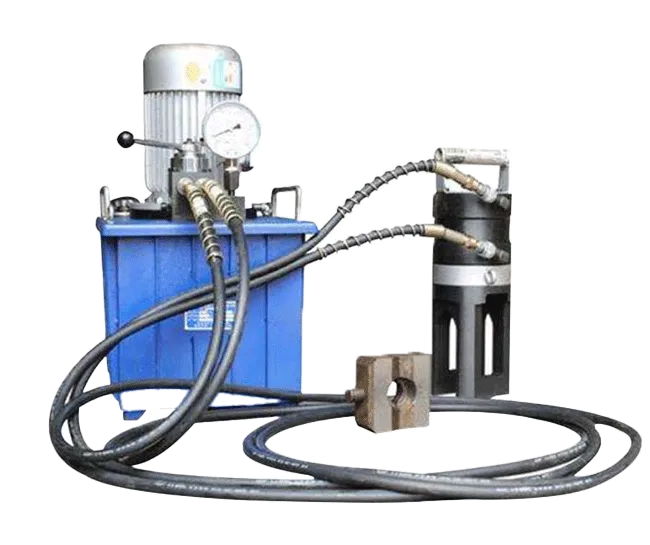
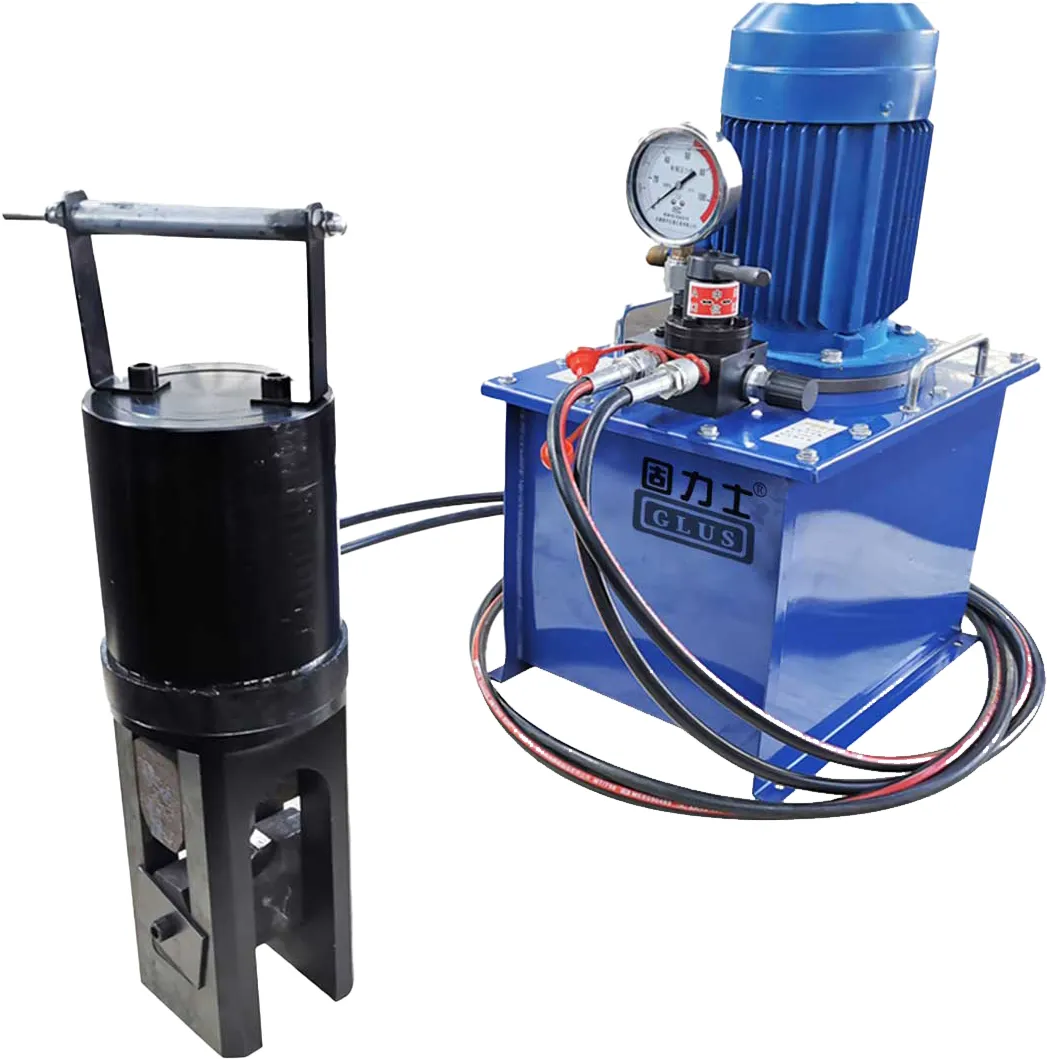
A rebar cold extrusion machine consists of four parts: the main machine, hydraulic system, extrusion die, and auxiliary tools. Each component works synergistically to ensure connection quality:
1. Main Machine (Extrusion Mechanism)
Core components include the machine frame, extrusion cylinder, and movable jaw. Its primary function is to provide stable extrusion support, drive the die to complete clamping and extrusion actions through the hydraulic cylinder, and withstand the reaction force generated during extrusion to ensure a stable and controllable process.
2. Hydraulic System
Mainly composed of a hydraulic pump, oil tank, pressure gauge, and directional valve. As the power source of the equipment, it delivers stable high-pressure oil. The pressure gauge displays real-time pressure values for operator monitoring, ensuring extrusion force meets operational requirements. The directional valve controls the flow direction of hydraulic oil to switch between die opening/closing and extrusion actions.
3. Extrusion Die
Composed of an upper die and a lower die, which must be accurately matched to the rebar diameter. The die contacts the sleeve directly, forcing plastic deformation of the sleeve through its specific inner cavity shape to achieve tight interlocking with the rebar. Made of high-strength alloy steel, the die offers excellent wear resistance and durability to meet long-term operational needs.
4. Auxiliary Tools
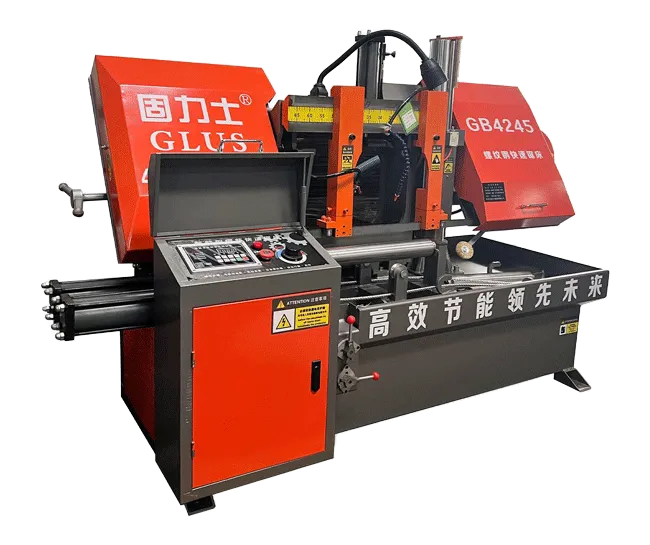
Include rebar cutting machine, end face grinding machine, sleeve positioner, etc. The rebar cutting machine and end face grinding machine are used for pretreating rebar end faces to ensure they are flat and burr-free, laying the foundation for subsequent connections. The sleeve positioner assists in precise positioning of the sleeve, ensuring the rebar insertion depth meets standards and guaranteeing connection accuracy.
III. Core Technical Parameters (Reference for Mainstream Models)
Parameters vary slightly among manufacturers, and core specifications must match the rebar used in the project:
- Applicable Rebar Specifications: Ribbed rebars such as HRB335, HRB400, HRB500, with a diameter range typically of Φ16-Φ40mm (some large-scale equipment can cover Φ50mm);
- Hydraulic System Pressure: Rated working pressure of 31.5-63MPa, adjustable to adapt to different rebar diameters;
- Extrusion Method: Single-hole extrusion (for small-diameter rebars), multi-hole step-by-step extrusion (for large-diameter rebars) to ensure uniform sleeve deformation;
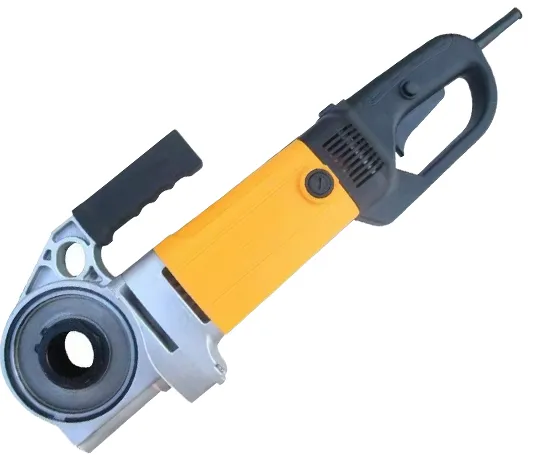
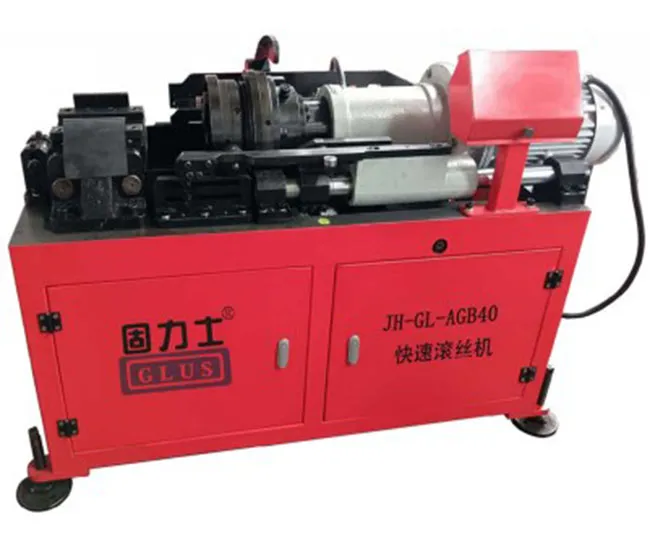
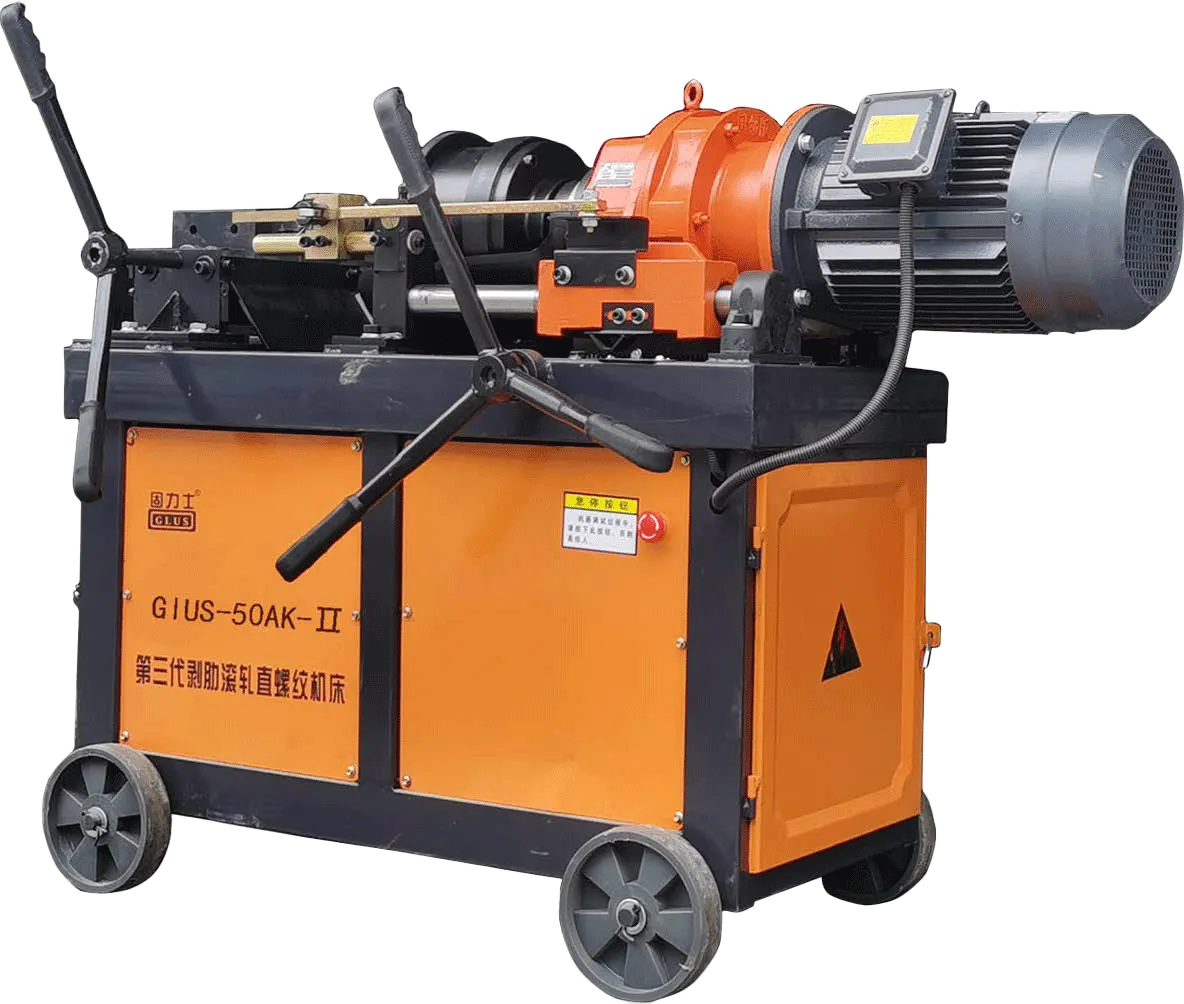
- Main Machine Weight: Portable models weigh approximately 30-50kg (handheld operation), while desktop/vertical models weigh 150-500kg (fixed operation);
- Power Requirements: 380V three-phase AC (industrial grade); some portable equipment can be paired with a hydraulic power unit for mobile operations;
- Joint Strength: Tensile strength ≥ tensile strength of the rebar base material; seismic performance complies with GB 50205 "Code for Acceptance of Construction Quality of Steel Structure Engineering" or JGJ 107 "Technical Specification for Mechanical Splices of Rebars".
IV. Main Types and Application Scenarios
Based on operational methods and structural forms, rebar cold extrusion machines are divided into two categories to meet different engineering needs:
1. Portable Rebar Cold Extrusion Machine
- Features: Compact size, lightweight (30-50kg), handheld operation, compatible with small hydraulic power units, and high mobility;
- Application Scenarios: High-altitude operations at construction sites (e.g., floor rebar connections), narrow space operations (e.g., tunnels, pipe galleries), scattered rebar connections (no fixed operation points), suitable for Φ16-Φ32mm rebars.
2. Desktop/Vertical Rebar Cold Extrusion Machine
- Features: Fixed machine body, high stability, greater extrusion force, capable of automated step-by-step extrusion, and high efficiency;
- Application Scenarios: Prefabricated component factories (mass production of rebar joints), rebar connections for piers of large bridges, centralized operations for large-diameter rebars (Φ32-Φ40mm), suitable for large-scale standardized production.
V. Core Advantages
Compared with traditional rebar connection methods (binding, welding), rebar cold extrusion machines offer significant advantages:
- Reliable Joint Quality: Room-temperature extrusion eliminates heat-affected zones, preventing rebar material deformation and strength reduction. The joint exhibits excellent fatigue resistance and corrosion resistance, with a qualification rate close to 100%;
- High Construction Efficiency: The extrusion time for a single joint is only 30-60 seconds, far exceeding binding (which requires time-consuming wire winding) and welding (which involves preheating and cooling, highly affected by the environment);
- Strong Environmental Adaptability: Unaffected by weather conditions (high temperature, low temperature, rainy days), free of welding fumes and open flames, complying with environmental protection requirements. It can operate safely in confined spaces and flammable/explosive areas (e.g., chemical plants);
- Easy Operation: No professional welder skills required; ordinary workers can operate after simple training, reducing labor costs;
- Wide Adaptability: Capable of connecting HRB335-HRB500 grade ribbed rebars, covering Φ16-Φ40mm to meet the rebar specification needs of different projects;
- Excellent Seismic Performance: The joint is a rigid mechanical connection with tight interlocking, resistant to loosening under dynamic loads such as earthquakes. Suitable for projects with seismic fortification intensity of 8 degrees or higher.
VI. Usage Notes
- Die Matching: Use dies that accurately match the rebar diameter and sleeve specifications. Replace severely worn dies in a timely manner to avoid uneven joint deformation;
- Rebar Pretreatment: Ensure rebar end faces are cut flat and free of burrs. The insertion depth into the sleeve must strictly follow specifications (usually half the sleeve length) to ensure tight contact between the two rebar end faces;
- Pressure Control: Monitor the pressure gauge during extrusion to ensure the rated pressure is reached. Insufficient pressure will result in insufficient joint strength, while excessive pressure may damage the sleeve or rebar;
- Equipment Maintenance: Regularly inspect the hydraulic system for oil leaks, check dies for wear, and examine oil pipes for aging. Add hydraulic oil (46# anti-wear hydraulic oil is recommended) in a timely manner to ensure normal equipment operation;
- Safe Operation: Operators must wear protective gloves and goggles to prevent splashing sleeve fragments during extrusion. Do not disassemble the die or sleeve before relieving pressure in the hydraulic system.
VII. Industry Standards and Certifications
Equipment and joint quality must comply with multiple national and industry standards to ensure safety and compliance in engineering applications:
- Chinese Standards: JGJ 107 "Technical Specification for Mechanical Splices of Rebars", GB 50205 "Code for Acceptance of Construction Quality of Steel Structure Engineering", GB/T 32270 "Extrusion Sleeves for Rebar Connections";
- International Standards: ISO 15835 "General Technical Requirements for Mechanical Splices of Reinforcing Steel Bars", ASTM A615 "Standard Specification for Deformed and Plain Carbon-Steel Bars for Concrete";
- Certification Requirements: Equipment must pass performance tests by third-party inspection institutions. Joints must undergo type tests and on-site sampling inspections in accordance with specifications before being put into use.
VIII. Application Cases
- Large Bridge Projects: For example, rebar connections in piers of the Hong Kong-Zhuhai-Macao Bridge and Hangzhou Bay Cross-Sea Bridge adopt large-diameter rebar cold extrusion connections to ensure long-term stability of joints in the highly corrosive marine environment;
- Tunnel Projects: Such as Beijing Subway and Shanghai Hongqiao Hub Tunnel, portable cold extrusion machines are used for rebar connections in narrow spaces, eliminating safety hazards caused by welding open flames;
- Nuclear Power Projects: For instance, Daya Bay Nuclear Power Station and Ningde Nuclear Power Station have high requirements for rebar connections in nuclear island areas. Cold extrusion joints, free of heat-affected zones and offering excellent seismic and fatigue resistance, meet the rigorous standards of nuclear power projects;
- High-Rise Buildings: Such as Shanghai Tower and Canton Tower, portable equipment is used in high-altitude operations to efficiently complete large-diameter rebar connections, improving construction efficiency and safety.