English

Types, Processes, and Applications Explained by an Industry Veteran
Dear colleagues in the engineering and construction industry,
When it comes to mechanical rebar connections, the straight thread coupler is unquestionably the core component. Although it appears to be a small and simple part, it directly affects the structural safety and load-bearing performance of an entire building.
Today, drawing on many years of hands-on industry experience, I would like to present a comprehensive and practical classification guide to straight thread rebar couplers—from materials and processing methods to real-world applications—so you can truly understand how to choose the right coupler for the right project.
What Is a Straight Thread Rebar Coupler?
A straight thread coupler is essentially a steel sleeve with internal threads. It connects two rebars by screwing onto the externally threaded ends of the bars, forming a continuous load-transfer path.
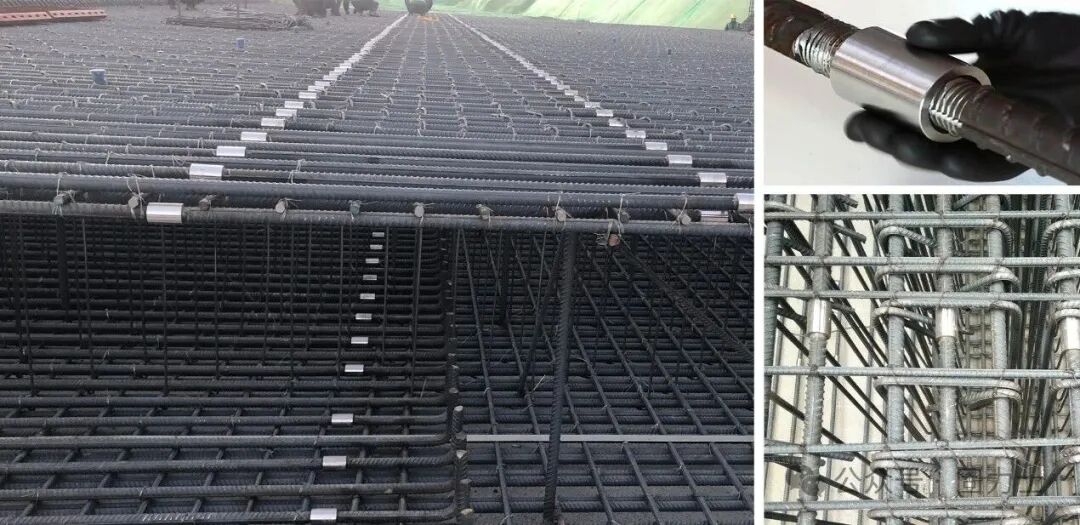
Key Advantages
High connection strength
Stable and reliable quality
Fast and efficient installation
Eliminates traditional welding and lap splicing
Because of these advantages, mechanical couplers have become the preferred solution in modern reinforced concrete construction.
Core Classification of Straight Thread Couplers
Based on Processing Technology
This is the most important classification, as it directly determines the coupler’s performance, reliability, and application scope. Straight thread couplers can be divided into four main types:
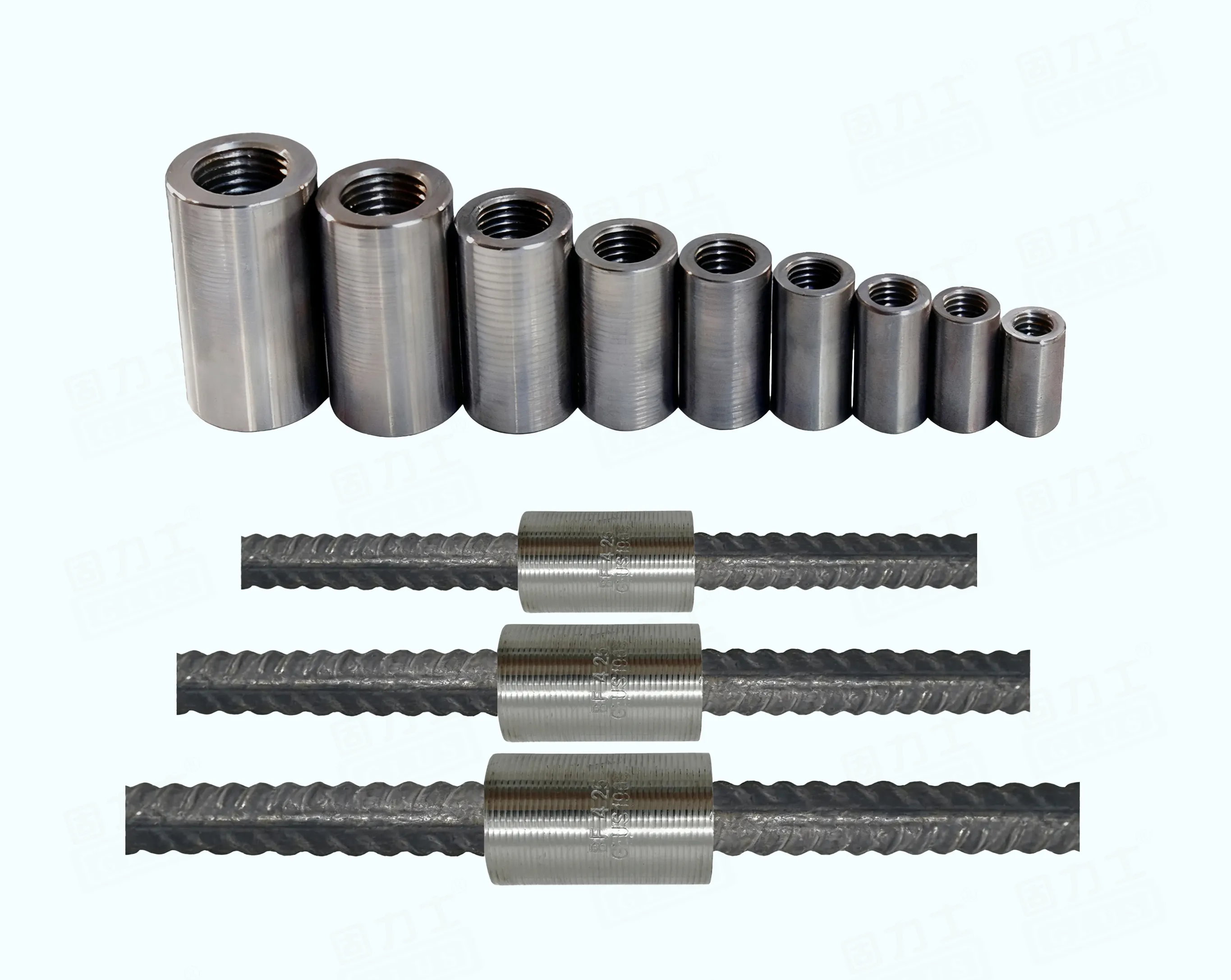
1. Direct Roll-Threaded Couplers
This is the earliest generation of mechanical rebar connection technology.
Process Principle
Threads are rolled directly onto the original deformed rebar without removing the ribs.
Advantages
Simple process
High production efficiency
One-step forming
Relatively low equipment cost
Disadvantages
Lower thread precision
Uneven force during threading due to existing ribs
Risk of incomplete or damaged threads
Typical Applications
Non-critical structural members
Temporary structures
Projects with low performance requirements
Analogy: Like stamping footprints directly on uneven stone—the result depends heavily on surface irregularities.
⚠️ This method is now largely replaced by rib-stripped threading in major projects.
2. Rib-Stripped Roll-Threaded Couplers (Most Common)
This is currently the most widely used and best-balanced solution in the market.
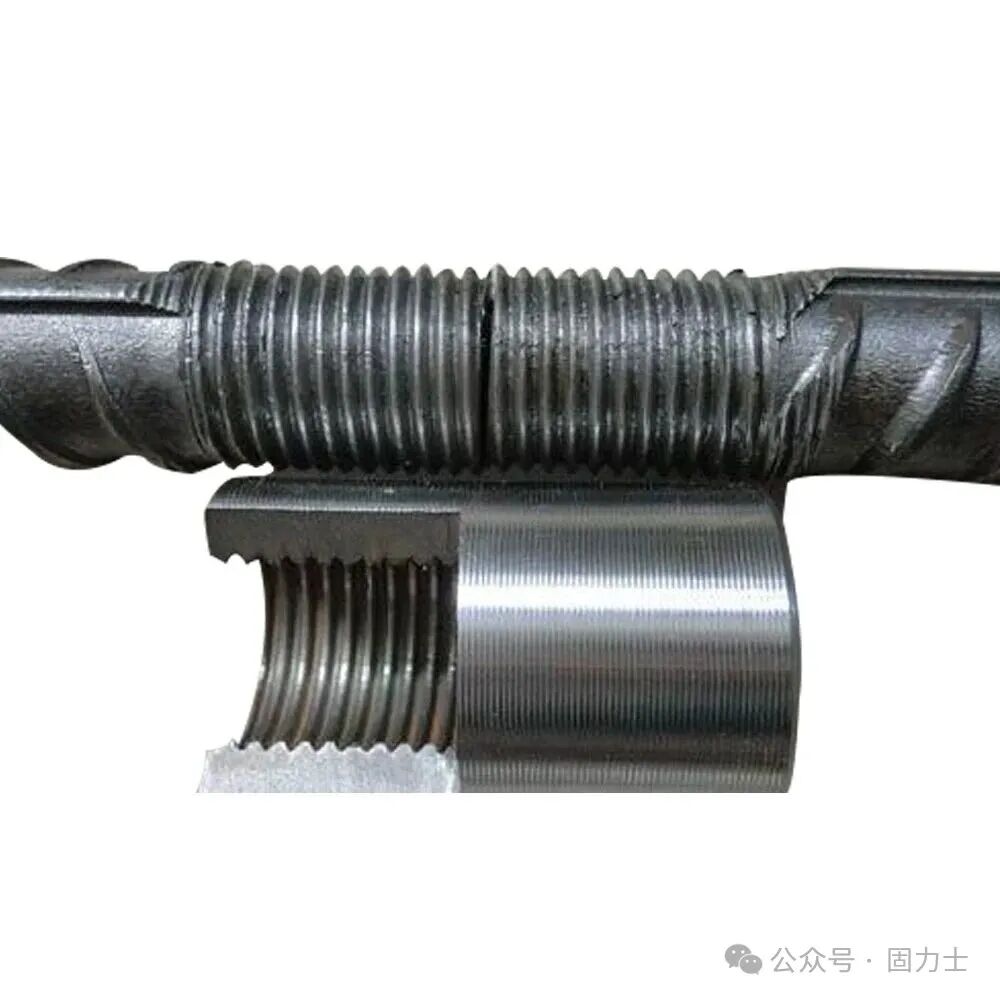
Process Principle
The transverse and longitudinal ribs at the rebar end are first stripped off, creating a smooth cylindrical surface
Threads are then rolled onto this prepared section
Advantages
High thread accuracy: Uniform base diameter ensures full, well-formed threads
Stable and high connection strength: Thread root diameter equals the nominal rebar diameter
Meets Class I joint standards
Strong adaptability to different rebar chemical compositions
Disadvantages
One additional processing step compared to direct rolling
Slightly higher equipment complexity
Typical Applications
Beams, columns, shear walls
Load-bearing and seismic structural members
Almost all major civil and industrial construction projects
Analogy: Like sharpening a pencil—first make it round, then form a perfect tip.
3. Upset-Forged Thread Couplers
This is a “increase first, then cut” process with excellent mechanical performance.
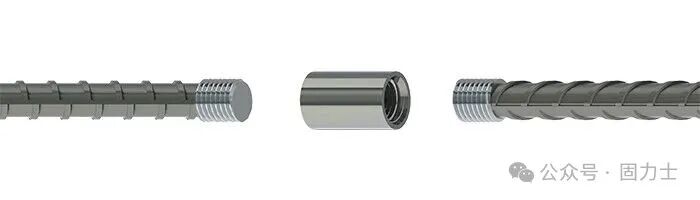
Process Principle
The rebar end is cold-forged (upset) to a larger diameter
Threads are then machined on the enlarged section
Advantages
Outstanding strength reliability
Thread root diameter is larger than the parent rebar, guaranteeing that failure occurs in the rebar, not the joint
Highly reliable Class I connections
Disadvantages
Complex process and higher cost
Requires dedicated upsetting equipment
High ductility requirement for rebars—low-quality steel may crack during upsetting
Typical Applications
Large-diameter rebars
High-seismic-demand structures
Core shear walls and columns
Prestressed rebar anchorage connections
Analogy: Like forming a knot by first thickening the rope end—the joint becomes stronger than the rope itself.
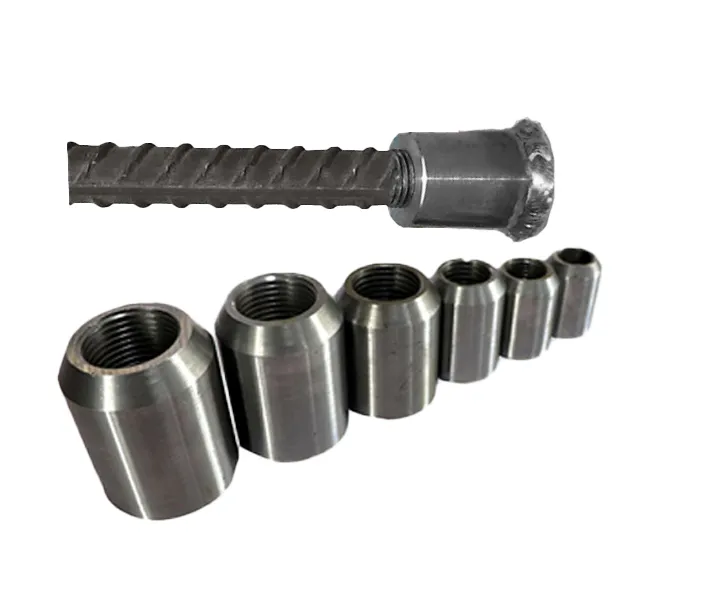
4. Weldable Straight Thread Couplers
A cross-disciplinary solution bridging mechanical and welded connections.
Process Principle
One end features standard internal threads for rebar connection
The other end is specially designed for direct welding to steel plates or structural steel
Advantages
Seamless integration of reinforced concrete and steel structures
Ideal for embedded plates and steel column bases
Faster and more controllable than traditional plug-welding methods
Disadvantages
Requires strict control of welding performance
Higher demands on welding procedures and operator skills
Typical Applications
Steel-reinforced concrete structures
Embedded steel plates
Prefabricated and modular construction systems
Other Important Classification Dimensions
By Connection Form
Standard couplers: Same-diameter rebar connections
Reducing couplers: Connect rebars of different diameters
Forward-reverse thread couplers: Used when rebars cannot rotate; connection is achieved by rotating the coupler itself (ideal for bent bars, column crossings, and confined spaces)
Final Thoughts
Though small in size, rebar couplers carry immense structural responsibility. Understanding their processing methods, strengths, and limitations is essential for making safe, economical, and technically sound decisions on site.
I hope this guide helps you fully grasp the technical landscape of straight thread couplers and apply the most suitable solution in your future projects.
Structural safety begins with details.
If you have specific questions or project scenarios to discuss, feel free to leave a comment—let’s exchange insights and build better structures together.