English

4 Common Causes & Easy Fixes (No Technician Needed)
Have you ever faced this frustrating situation on site?
The rebar is already set, you press the start button, but the motor doesn’t respond at all.
The schedule is tight, sweat is pouring down — and the machine lets you down at the worst moment.
Good news:
In most cases, a rebar thread rolling machine motor that won’t start is caused by simple, common issues.
You don’t need to call a technician right away. With basic checks, many problems can be fixed on-site.
Below are 4 high-frequency causes and step-by-step solutions, explained clearly even for beginners.
01. Safety First — Power Off Before Any Inspection ⚠️
Before troubleshooting any issue:
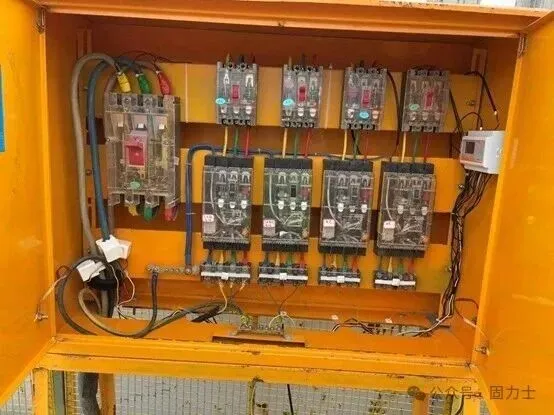
👉 Disconnect the main power supply
(Unplug the machine or switch off the main breaker in the distribution box)
Thread rolling machines use high-voltage three-phase power.
Electrical repairs without cutting power can cause serious electric shock.
Safety always comes first.
02. 4 Common Causes & How to Fix Them (Step by Step)
❌ Problem 1: Phase Loss in the Power Supply (Most Common & Easily Overlooked)
Why it happens
Rebar rolling machines use three-phase power.
If one phase is missing due to:
Loose wiring
Broken cable
Poor contact in the distribution box
…the motor will fail to start and may even burn the coils if forced.
How to check
Check the indicator lights in the distribution box
Normal: 3 lights ON
Phase loss: 1 light OFF
Use a multimeter (if available)
Normal voltage: approx. 220V per phase
Missing phase: 0V
How to fix
Make sure the power is fully OFF
Inspect the three-phase wires:
Loose terminals
Broken wires
Damaged insulation
Tighten loose terminals
Replace damaged cables with the same specification copper wire
Restore power and test
If all three indicator lights are on, the motor should start normally
❌ Problem 2: Faulty Start Switch
Why it happens
Over time, the internal metal contacts of the switch can:
Wear out
Burn
Lose conductivity
Typical signs:
No “click” sound when pressing
Button doesn’t return properly
No response from the motor
How to check
Press the switch:
No clicking sound?
Feels loose or stuck?
👉 Very likely the switch is defective.
How to fix
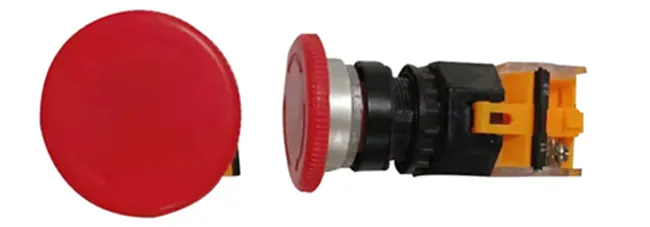
Buy a replacement switch with identical specifications
(Example: 16A / 380V)Take a photo before removing the old switch
(This helps avoid wiring mistakes)Disconnect the old switch
Wire the new switch exactly as shown in the photo
Tighten all terminals securely
Power on and test
❌ Problem 3: Overload Protection Tripped (Motor Self-Protection)
Why it happens
If the motor:
Runs under heavy load for too long, or
Encounters sudden resistance (e.g. oversized rebar)
…the overload protector automatically trips to prevent motor damage.
👉 This is a protection feature, not a fault.
How to check
Look at the overload protector in the control box
If the red button has popped out, it has tripped
Touch the motor housing
It may feel warm (normal after overload)
How to fix
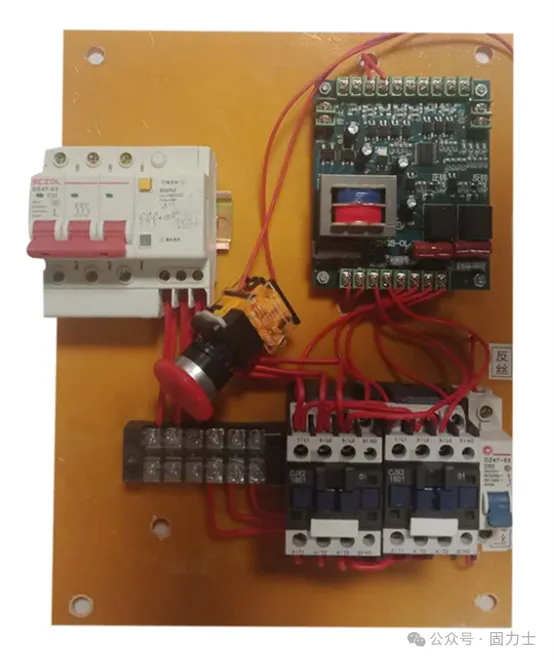
Let the motor cool down for 5–10 minutes
Press the red reset button back in
Reduce the load before restarting
Power on and test again
❌ Problem 4: Mechanical Overload (Rollers Too Tight or Rebar Too Large)
Why it happens
The motor may be “stuck” due to:
Thread rolling rollers adjusted too tight
Rebar diameter exceeds machine capacity
Example:
Machine rated for Φ16–Φ25, but Φ28 rebar is used.
How to check
Power OFF
Try rotating the rollers by hand
Very hard or impossible → too tight
Check rebar size against the machine nameplate
How to fix
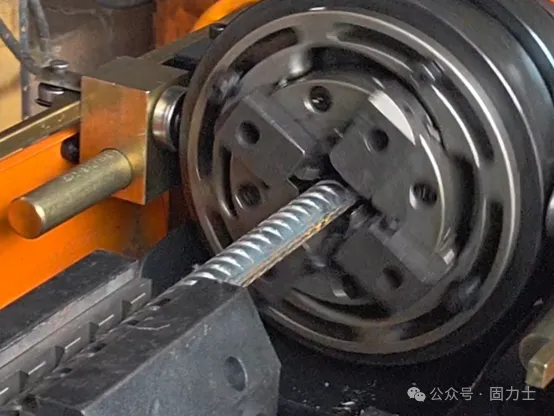
Loosen the roller adjustment screw
Turn counterclockwise 1–2 turns
Rotate rollers by hand until smooth
Use rebar within rated capacity
Power on and test
03. Important Final Tips (Very Important)
✔ If you smell burnt insulation or the motor housing is extremely hot,
👉 STOP immediately — motor windings may be damaged.
Call a professional technician.
✔ Always use insulated tools when working on electrical parts.
✔ After repair:
Test the machine without rebar (no-load test)
Confirm smooth rotation
Only then resume normal processing
Final Thoughts
Most motor startup failures are simple, fixable issues — not serious breakdowns.
A calm, step-by-step inspection can save:
Time
Money
Project delays
If you maintain your machine well and avoid overload, it will serve reliably for years.