English

Upset forging rebar connection is a mechanical splicing method based on strengthening the rebar end. The process consists of two main steps:
Step 1: Upset Forging (End Enlargement)
Using a dedicated hydraulic upsetting machine, the end of the rebar is cold-forged, increasing its cross-sectional area. This process significantly enhances the load-bearing capacity of the rebar end and compensates for any material loss during threading.
Step 2: Thread Rolling and Mechanical Connection
After upsetting, threads are rolled onto the enlarged rebar end. The threaded end is then connected to another rebar using a matching upset forging coupler, forming a secure and stable mechanical joint.
Why Choose Upset Forging Technology?
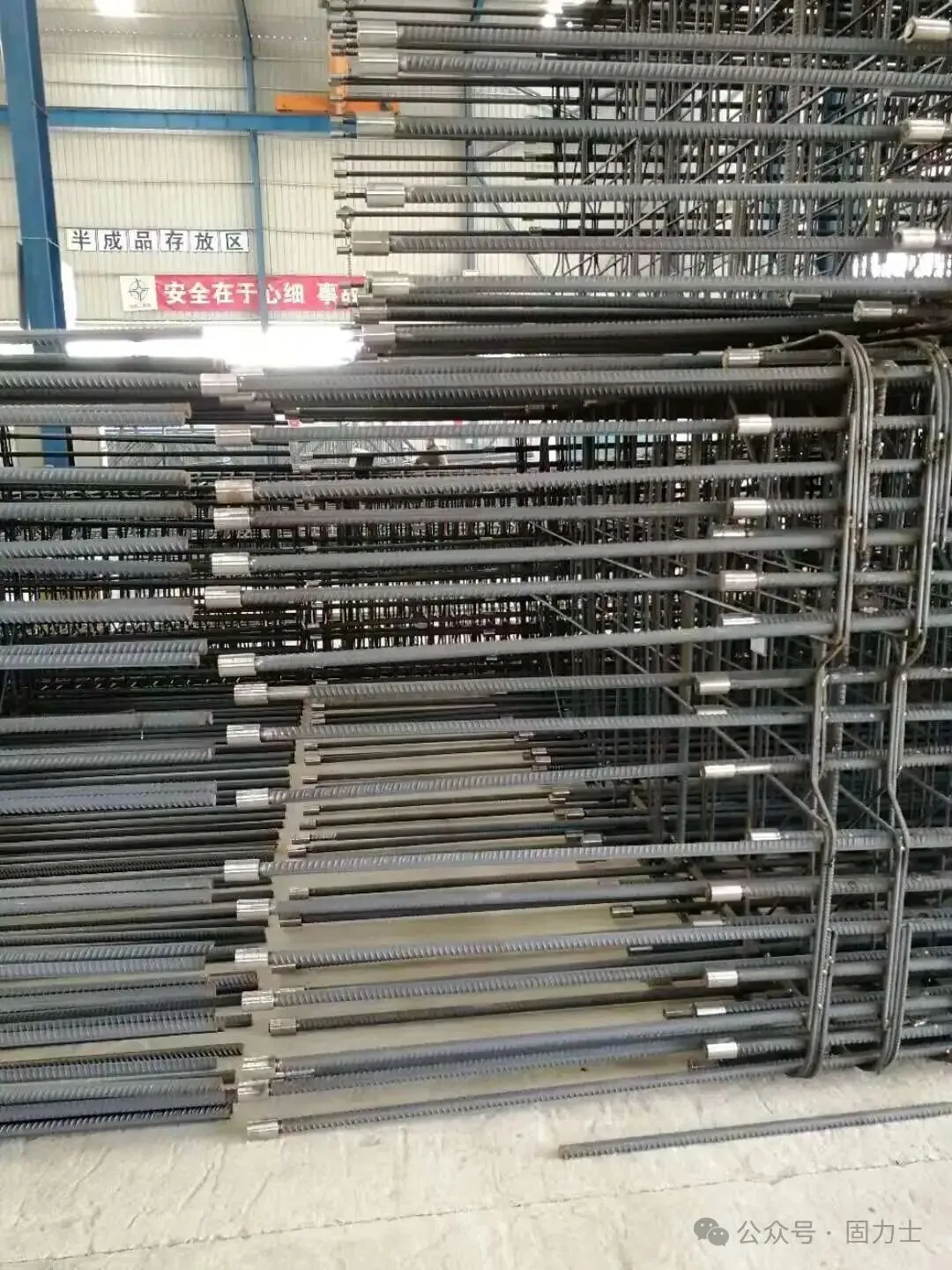
The core advantages of upset forging rebar connection lie in two major technical breakthroughs:
1. No Reduction in Joint Strength
Standard straight-thread couplers typically require rib stripping and direct thread rolling, which can reduce the effective cross-sectional area of the rebar and weaken the joint.
Upset forging technology follows a “forge first, then thread” process. By enlarging the rebar end before threading, the effective cross-sectional area of the threaded section is maintained or increased. As a result, the joint strength is not compromised and can consistently meet Class I joint performance standards.
2. Precise Control of Exposed Threads
In traditional extended-thread connections used for rebar cage assembly, excessive exposed threads at the joint are a common quality issue, leading to inspection failures, rework, and hidden structural risks.
Upset forging technology allows precise control of thread length and tightening depth. This design effectively eliminates excessive exposed threads, ensuring clean, compliant connections and significantly reducing rework rates and construction risks on site.
Conclusion
Upset forging rebar connection is a mechanical splicing technology that combines end strengthening and precision threading to achieve high-quality rebar joints.
By solving critical problems found in conventional methods—such as reduced joint strength and excessive exposed threads—this technology offers reliable mechanical performance, excellent site adaptability, and simplified operation.
For projects that demand high structural safety, strict quality control, and efficient construction, upset forging technology stands out as a superior choice in modern mechanical rebar connection systems.