

Worried about rework in rebar connections? Follow these 6 steps to perform upset straight thread connections, and easily achieve a qualification rate exceeding 99%.

2026-03-17Visits:

In high-rise buildings, bridges, subways, and other projects, the connection of large-diameter rebars (≥ Φ16) is of utmost importance — it must be both strong and efficient. Today, we’ll walk you through the upset straight thread connection process from principles to practical operation, and key pitfalls to avoid — all in one complete guide!


I. First Understand: Why Can This Process Be “Stronger Than the Base Metal”?

The core logic lies in just two steps, solving the problem of traditional cut threads that “weaken the rebar”:

Cold Upsetting Strengthening
Use hydraulic equipment to compress the rebar end, causing plastic deformation of the metal. The cross-sectional area increases by 10%–20% (for example, a Φ25 rebar becomes about Φ30 after upsetting), pre-compensating for the material loss from subsequent threading.

Straight Thread Engagement
High-precision straight threads are processed on the upset end, and then an internally threaded coupler is used to tightly connect two rebars, forming a rigid connection, with final strength ≥ the rebar itself.


II. Full Practical Workflow: 6 Steps, Each with “Critical Red Lines”

1. Rebar Pre-treatment: Flat End Face for Smooth Follow-up

Operation:
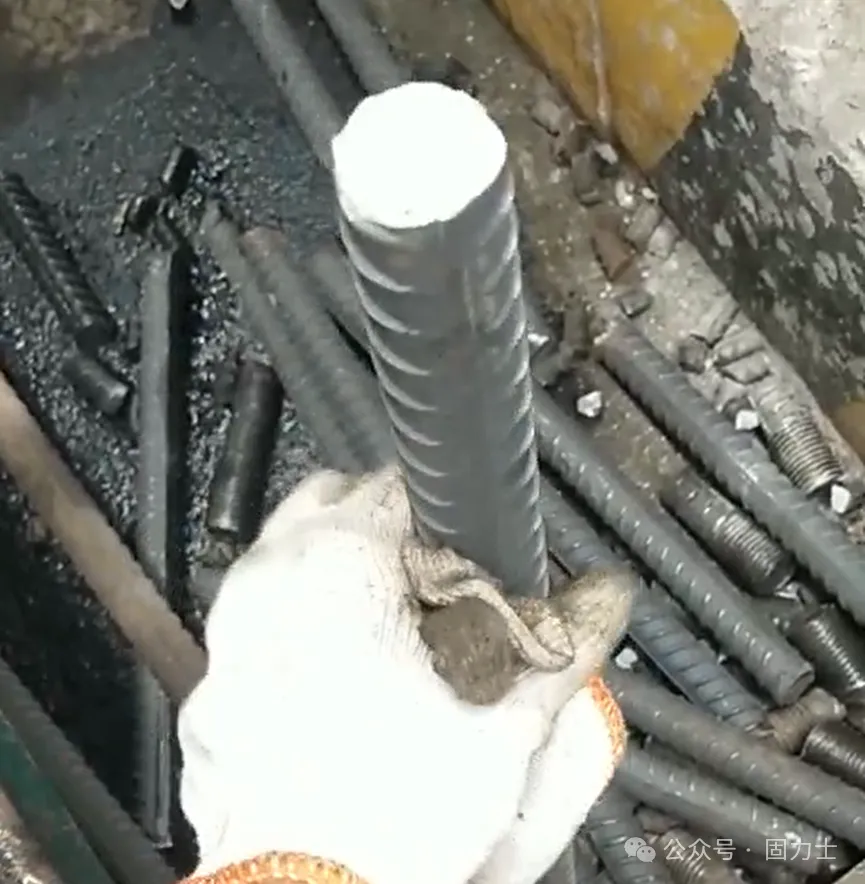
Cut the rebar using a grinding wheel saw or cutting machine (gas cutting is prohibited, as it causes embrittlement). Then remove rust, oil, and burrs.

Key Reminder:
End-face perpendicularity deviation ≤ 1°. If not, it must be ground flat.
微信图片_2026-03-17_142808_297.png


2. Cold Upsetting: Pressure and Time Are Critical

Operation:
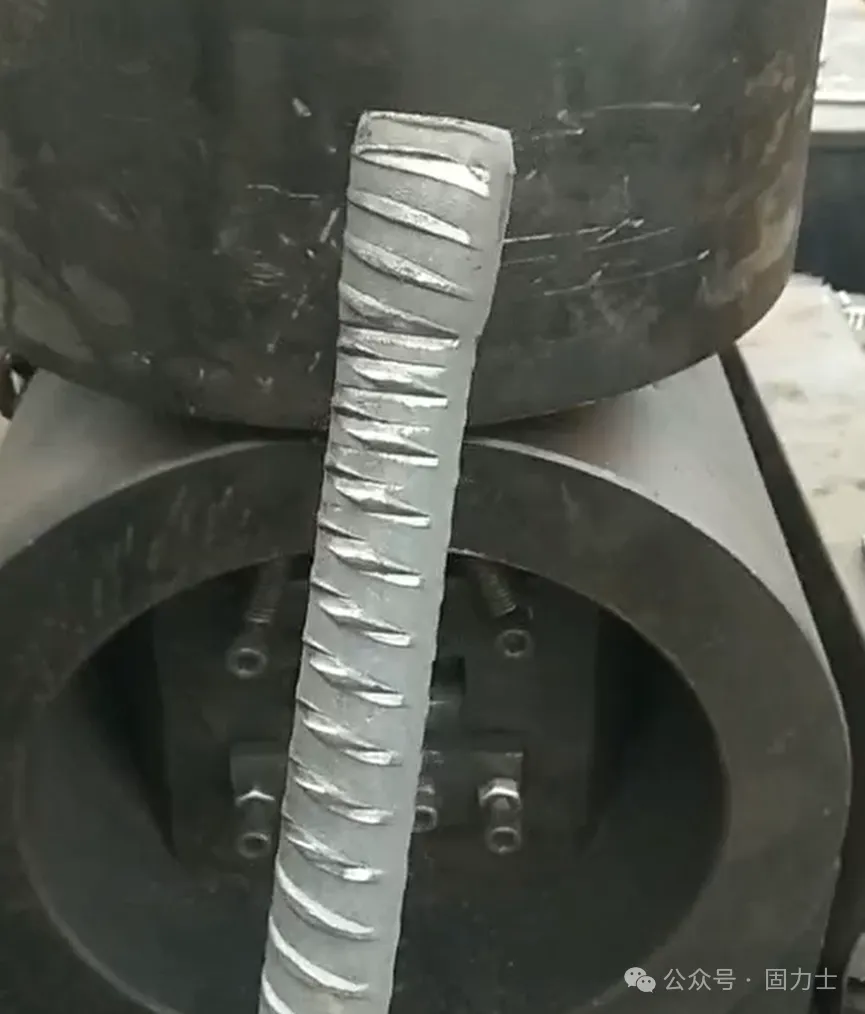
Insert the rebar into the upsetting machine mold. Adjust pressure according to rebar grade/diameter (e.g., HRB400 Φ25 ≈ 60–80 MPa). Hold pressure for 3–5 seconds, then release.

Key Reminder:
After upsetting, diameter must reach 1.2–1.4× original diameter, and the surface must be free of cracks and dents.
微信图片_2026-03-17_143121_308.png


3. Straight Thread Processing: Precision Determines Quality

Operation:
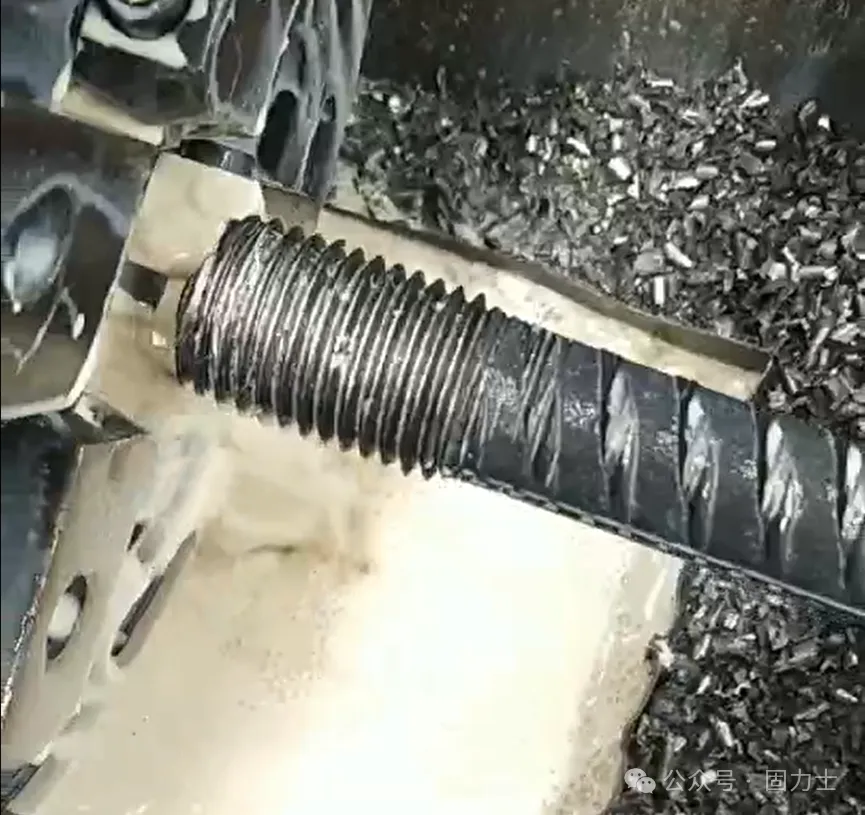
Use a thread rolling machine (chipless) or threading machine (requires chip removal).

Key Reminder:
Use “Go Gauge + No-Go Gauge” for inspection:

  • Go gauge must fully screw in

  • No-go gauge penetration ≤ 3 threads
    (Non-conforming parts must be scrapped.)
微信图片_2026-03-17_143157_405.png


4. Coupler Preparation: Avoid “Three-No Products”

Operation:
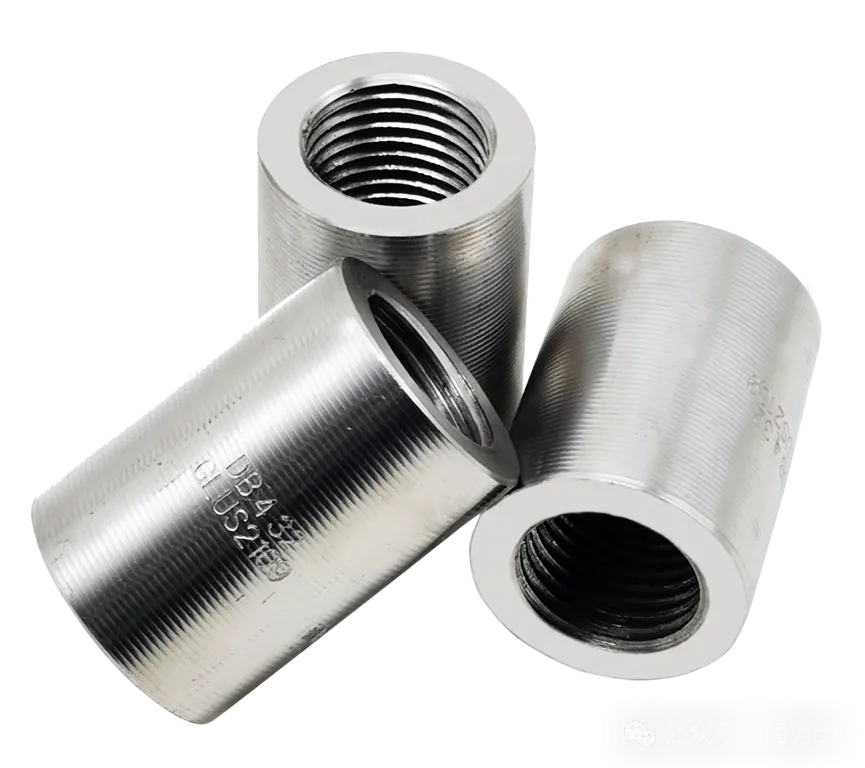
Select matching couplers (usually made of No.45 steel). Check factory certificate and test report.

Key Reminder:
Internal threads must be undamaged, end faces flat, and markings clear (rebar diameter, manufacturer).
微信图片_2026-03-17_143224_088.png


5. Rebar Connection: Don’t Skip the Torque Wrench!

Operation:

  1. Screw the coupler onto one rebar until it contacts the step

  2. Align and screw in the second rebar; switch to a torque wrench when hand-tightening stops

  3. Tighten to the specified torque (e.g., HRB400 Φ25 ≥ 300 N·m), then mark both ends to prevent loosening

Key Reminder:
Exposed threads ≤ 2 pitches. Never rely on feel with a regular wrench.
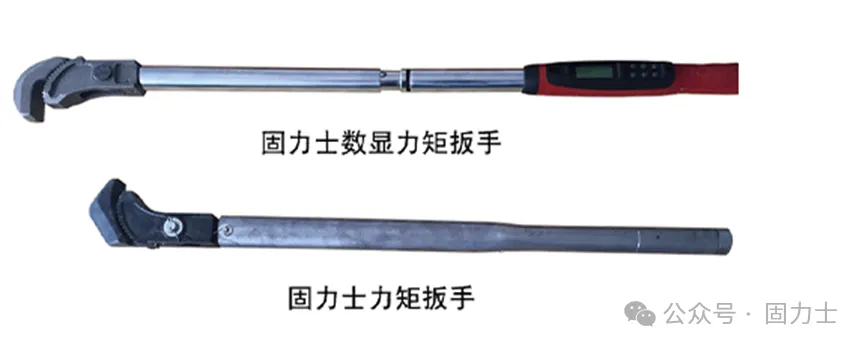
微信图片_2026-03-17_143241_332.png


6. Quality Inspection: 3 Mandatory Checks

Appearance Check:
Inspect exposed threads, fit, and ensure no looseness or misalignment

Torque Check:
Re-tighten 10% of joints — torque must meet the requirement

Mechanical Test:
Every 500 joints = 1 batch; sample 3 for tensile testing
Tensile strength ≥ standard value of base rebar
(If failed: double sampling; if still failed, reject entire batch)


III. Pros & Cons: Choose What Fits Best

✅ Core Advantages

High Efficiency:
Each joint takes only 1–3 minutes — much faster than welding

High Strength:
Tensile strength ≥ base rebar, suitable for seismic Grade I structures

Environmental Adaptability:
Usable in -40°C to 60°C, humid or high-altitude conditions

Stable Quality:
Equipment-controlled parameters reduce human error, with pass rates > 99%


⚠️ Limitations

High Equipment Cost:
Requires upsetting machine, thread rolling machine, torque wrench — suitable for large-scale projects

Rebar Condition Requirements:
Bent or heavily corroded ends must be corrected/cleaned first

Not Economical for Small Diameters:
For Φ14 and below, tying or electroslag pressure welding is more cost-effective


IV. Where Should It Be Used? (Applicable Scenarios)

According to Technical Specification for Mechanical Splicing of Rebars (JGJ107), priority use in:

Rebar Diameter:
Φ16–Φ50 (HRB400/500, HRBF400/500 hot-rolled ribbed rebars)

Structure Types:
Frame columns, beams, shear walls, bridge caps, pile foundations
(especially in dynamic load/high-stress areas)

Non-Rotatable Rebar Situations:
Rebar cage splicing, confined spaces (underground structures, dense reinforcement zones)
→ Use extended or reverse-thread couplers

Environment:
Normal concrete, seismic structures, low temperature (above -40°C), low-corrosion underground works


Leave Your Message

Leave a message

We use cookie to improve your online experience. By continuing to browse this website, you agree to our use of cookie.

Cookies

Please read our Terms and Conditions and this Policy before accessing or using our Services. If you cannot agree with this Policy or the Terms and Conditions, please do not access or use our Services. If you are located in a jurisdiction outside the European Economic Area, by using our Services, you accept the Terms and Conditions and accept our privacy practices described in this Policy.
We may modify this Policy at any time, without prior notice, and changes may apply to any Personal Information we already hold about you, as well as any new Personal Information collected after the Policy is modified. If we make changes, we will notify you by revising the date at the top of this Policy. We will provide you with advanced notice if we make any material changes to how we collect, use or disclose your Personal Information that impact your rights under this Policy. If you are located in a jurisdiction other than the European Economic Area, the United Kingdom or Switzerland (collectively “European Countries”), your continued access or use of our Services after receiving the notice of changes, constitutes your acknowledgement that you accept the updated Policy. In addition, we may provide you with real time disclosures or additional information about the Personal Information handling practices of specific parts of our Services. Such notices may supplement this Policy or provide you with additional choices about how we process your Personal Information.


Cookies

Cookies are small text files stored on your device when you access most Websites on the internet or open certain emails. Among other things, Cookies allow a Website to recognize your device and remember if you've been to the Website before. Examples of information collected by Cookies include your browser type and the address of the Website from which you arrived at our Website as well as IP address and clickstream behavior (that is the pages you view and the links you click).We use the term cookie to refer to Cookies and technologies that perform a similar function to Cookies (e.g., tags, pixels, web beacons, etc.). Cookies can be read by the originating Website on each subsequent visit and by any other Website that recognizes the cookie. The Website uses Cookies in order to make the Website easier to use, to support a better user experience, including the provision of information and functionality to you, as well as to provide us with information about how the Website is used so that we can make sure it is as up to date, relevant, and error free as we can. Cookies on the Website We use Cookies to personalize your experience when you visit the Site, uniquely identify your computer for security purposes, and enable us and our third-party service providers to serve ads on our behalf across the internet.

We classify Cookies in the following categories:
 ●  Strictly Necessary Cookies
 ●  Performance Cookies
 ●  Functional Cookies
 ●  Targeting Cookies


Cookie List
A cookie is a small piece of data (text file) that a website – when visited by a user – asks your browser to store on your device in order to remember information about you, such as your language preference or login information. Those cookies are set by us and called first-party cookies. We also use third-party cookies – which are cookies from a domain different than the domain of the website you are visiting – for our advertising and marketing efforts. More specifically, we use cookies and other tracking technologies for the following purposes:

Strictly Necessary Cookies
These cookies are necessary for the website to function and cannot be switched off in our systems. They are usually only set in response to actions made by you which amount to a request for services, such as setting your privacy preferences, logging in or filling in forms. You can set your browser to block or alert you about these cookies, but some parts of the site will not then work. These cookies do not store any personally identifiable information.

Functional Cookies
These cookies enable the website to provide enhanced functionality and personalisation. They may be set by us or by third party providers whose services we have added to our pages. If you do not allow these cookies then some or all of these services may not function properly.

Performance Cookies
These cookies allow us to count visits and traffic sources so we can measure and improve the performance of our site. They help us to know which pages are the most and least popular and see how visitors move around the site. All information these cookies collect is aggregated and therefore anonymous. If you do not allow these cookies we will not know when you have visited our site, and will not be able to monitor its performance.

Targeting Cookies
These cookies may be set through our site by our advertising partners. They may be used by those companies to build a profile of your interests and show you relevant adverts on other sites. They do not store directly personal information, but are based on uniquely identifying your browser and internet device. If you do not allow these cookies, you will experience less targeted advertising.

How To Turn Off Cookies
You can choose to restrict or block Cookies through your browser settings at any time. Please note that certain Cookies may be set as soon as you visit the Website, but you can remove them using your browser settings. However, please be aware that restricting or blocking Cookies set on the Website may impact the functionality or performance of the Website or prevent you from using certain services provided through the Website. It will also affect our ability to update the Website to cater for user preferences and improve performance. Cookies within Mobile Applications

We only use Strictly Necessary Cookies on our mobile applications. These Cookies are critical to the functionality of our applications, so if you block or delete these Cookies you may not be able to use the application. These Cookies are not shared with any other application on your mobile device. We never use the Cookies from the mobile application to store personal information about you.

If you have questions or concerns regarding any information in this Privacy Policy, please contact us by email at . You can also contact us via our customer service at our Site.