English

Two Exposed Threads in a Straight Thread Coupler Connection: Construction Error or a Hidden Safety Code?
Have you ever noticed on a construction site that when straight thread rebar couplers are installed, workers intentionally leave one or two threads exposed instead of fully tightening them?
For someone seeing this for the first time, it may raise doubts: “Was the job left unfinished? Is someone cutting corners?”
But when it comes to structural safety, there is no room for shortcuts.
In fact, this seemingly “unfinished” detail is actually the result of precise engineering calculations and strict construction standards. It is not a mistake, but a rule that must be followed.
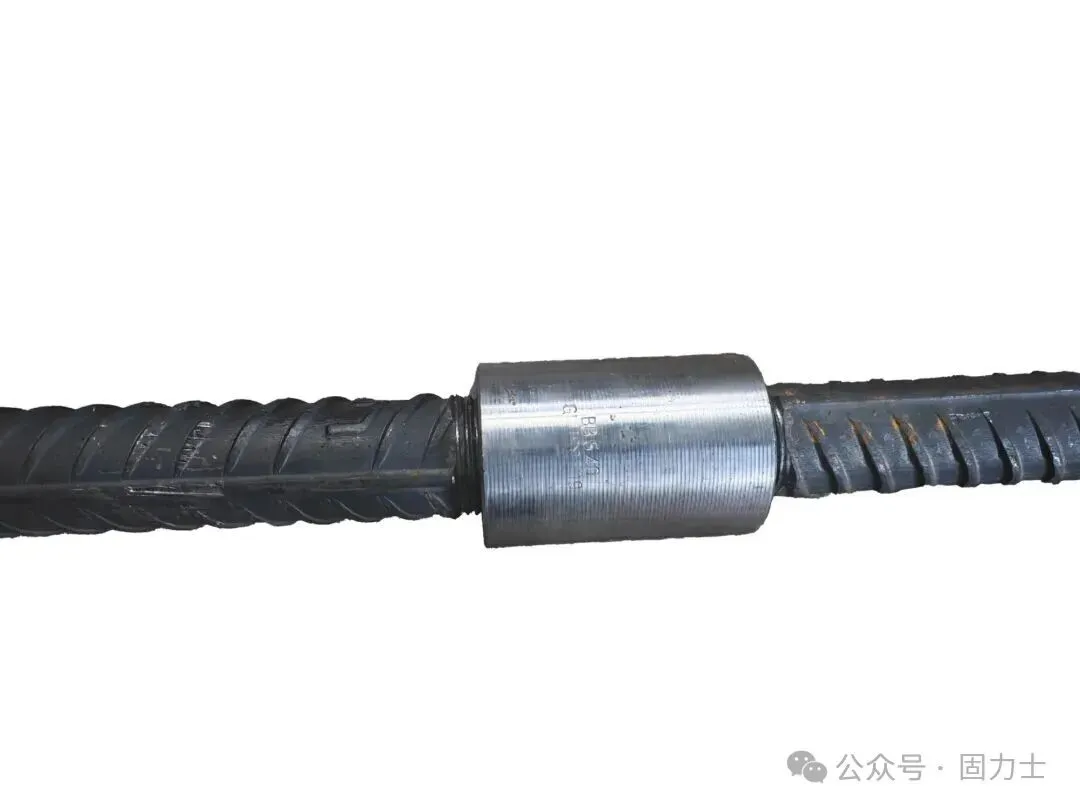
The Secret of “Two Threads”: Clearly Defined in the Standards
Many people assume that installing a rebar coupler is like tightening a nut on a bolt—the tighter, the better. However, in construction engineering, especially in mechanical rebar connections, too tight can be just as problematic as too loose.
The key reference is the industry standard
“Technical Specification for Mechanical Splicing of Steel Reinforcement” (JGJ 107).
The specification clearly states:
When installing straight thread rebar couplers, the threaded ends of the rebars should meet and tighten against each other at the center of the coupler.
This helps reduce residual deformation at the joint and ensures installation quality.
The exposed thread length should not exceed 2P, where P represents the thread pitch.
In simple terms, 2P equals about two thread teeth.
Therefore, leaving one or two threads exposed during installation ensures compliance with the “not exceeding 2P” requirement and helps keep the connection within the optimal quality range.
Why Fully Tightening the Connection Can Be a Problem
Imagine applying excessive force and pressing the two rebars tightly together inside the coupler. This can create significant axial compressive stress.
However, once embedded in concrete, the rebar is mainly designed to resist tensile forces.
Excessive pre-compression may reduce the ductility of the steel, meaning that under extreme loads the rebar may become more brittle and lose its ability to deform safely.
In structural engineering, ductility is critical for absorbing stress and preventing sudden failure. Over-tightening may therefore compromise the performance of the connection.
Exposed Threads: A Visible Quality Indicator
Leaving one or two threads exposed also serves another very practical purpose: visual quality inspection.
On large construction sites, there may be thousands of rebar connections. Measuring the torque of each one would be inefficient and time-consuming. Instead, inspectors rely on a quick visual check.
If most connections show 1–2 exposed threads, the installation is generally considered correct.
If no threads are visible, it may indicate that the threaded end of the rebar was made too short, meaning the rebars might not be fully butted together inside the coupler.
If more than two threads are exposed, the connection may not have been tightened sufficiently, which could reduce connection strength.
Thus, those small exposed threads become a silent but standardized quality marker, making it easier to inspect complex concealed works.
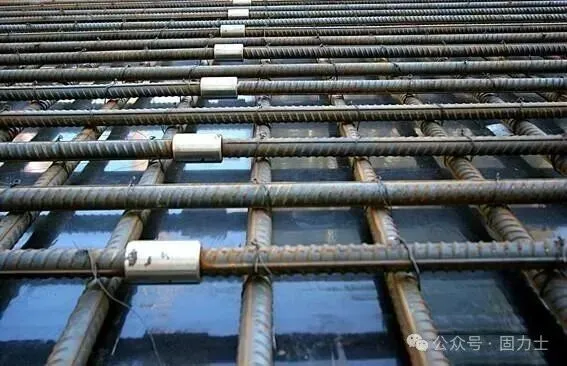
A Small Detail That Reflects Engineering Precision
So the next time you see those intentionally exposed threads on a construction site, you can be confident that it’s not careless work—it’s precision and discipline.
In structural engineering, sometimes “leaving a little” requires more expertise than “tightening everything.”
Those two exposed threads represent:
Respect for engineering science
Responsibility for structural safety
The precision behind modern construction practices
Quietly and almost invisibly, they help safeguard the strength of skyscrapers and the safety of the buildings people depend on every day.