English

The forward-reverse thread rebar coupler is specifically designed to solve the problem of rebar connections where the steel bars cannot rotate, making it especially suitable for certain complex construction scenarios.
Core Problem: Rebar Cannot Rotate During Connection
Conventional straight thread couplers have only one thread direction. During installation, one of the rebars must be rotated to tighten the connection. However, in the following situations, standard couplers cannot be used effectively:
Bent rebars (L-shaped) that cannot rotate.
In structures such as transfer beams, support beams, or during the final stage of wall and column construction, the tail of the active rebar often needs to be bent into an L-shape, preventing it from rotating 360°.
In these cases, traditional couplers make the connection process extremely difficult.
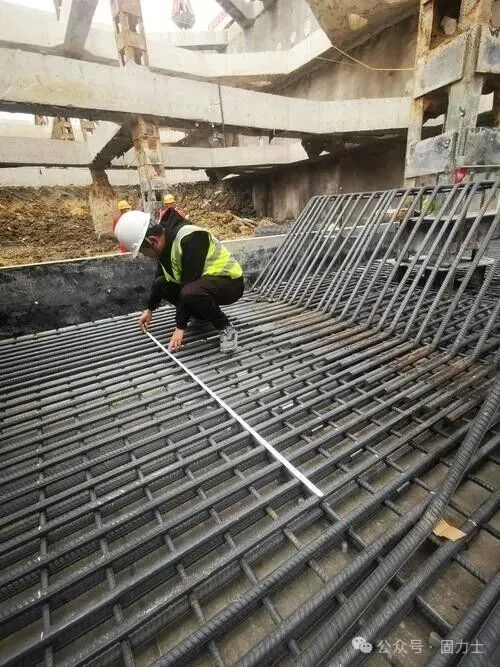
Key Advantage: No Need to Rotate the Rebar
The forward-reverse thread coupler has two different thread directions:
One end with a right-hand thread (tightened clockwise)
The other end with a left-hand thread (tightened counterclockwise)
During installation, you only need to rotate the coupler itself:
As the coupler rotates, both rebars move toward the center simultaneously, completing the connection.
No rotation of either rebar is required, making the process simple and efficient.
At the same time, the connection meets national strength standards, and its performance is equivalent to that of standard straight thread couplers.
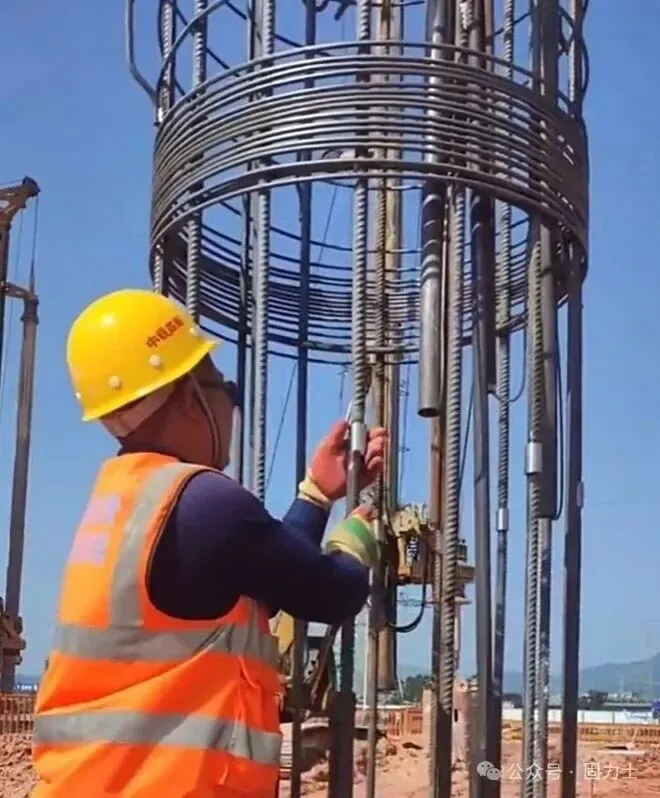
Typical Application Scenarios
Forward-reverse thread couplers are particularly suitable for:
Beam-column joints
Hidden columns in shear walls
Areas with dense reinforcement
Connections of embedded rebars
Renovation and reinforcement of existing structures
They are ideal for situations where one rebar is already fixed and the other cannot rotate freely, solving the connection difficulties that conventional couplers face in these conditions while improving both construction efficiency and connection quality.