English

Will Rust on Rebar Affect Its Use, Processing, or Hardness?
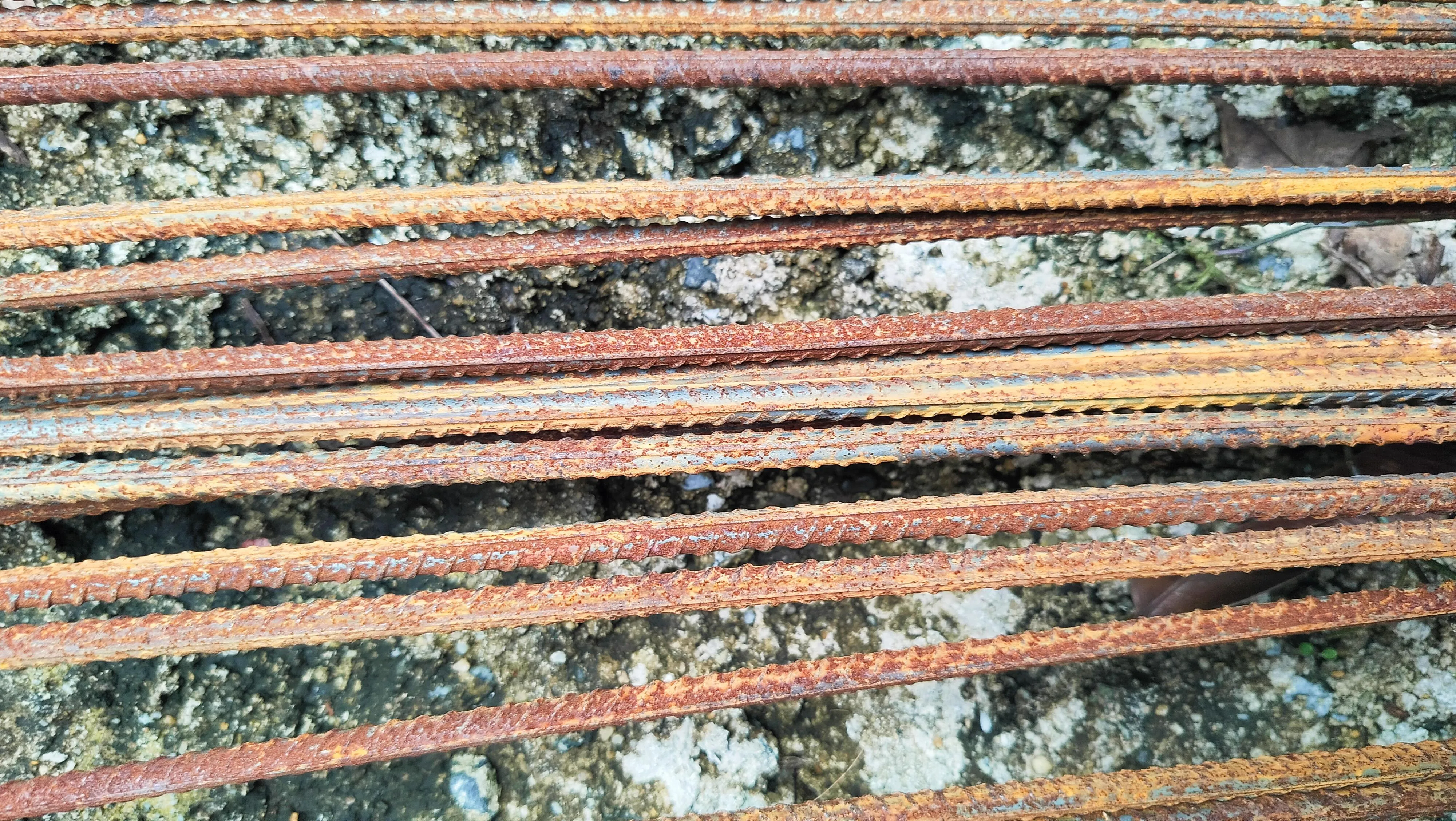
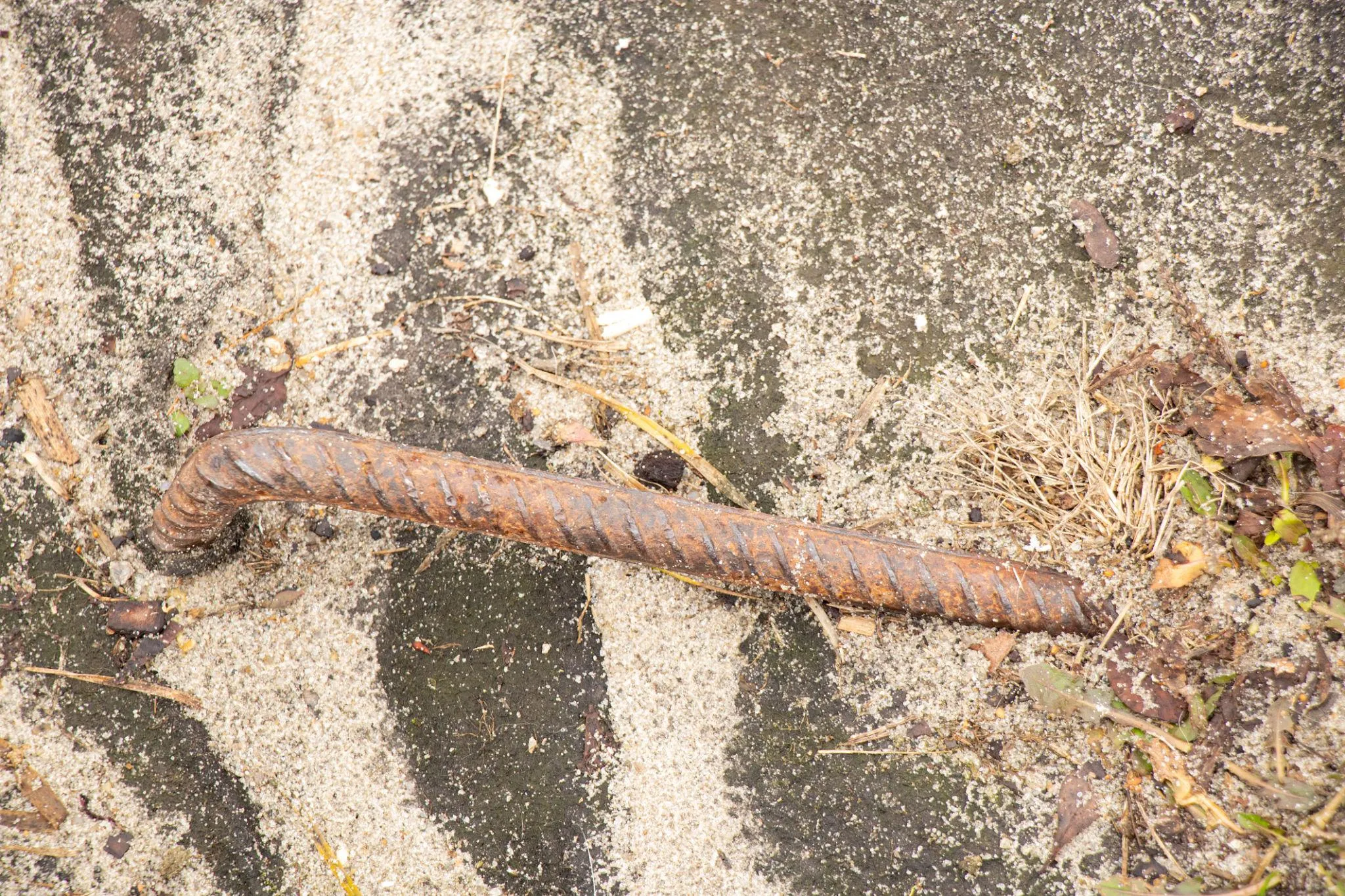
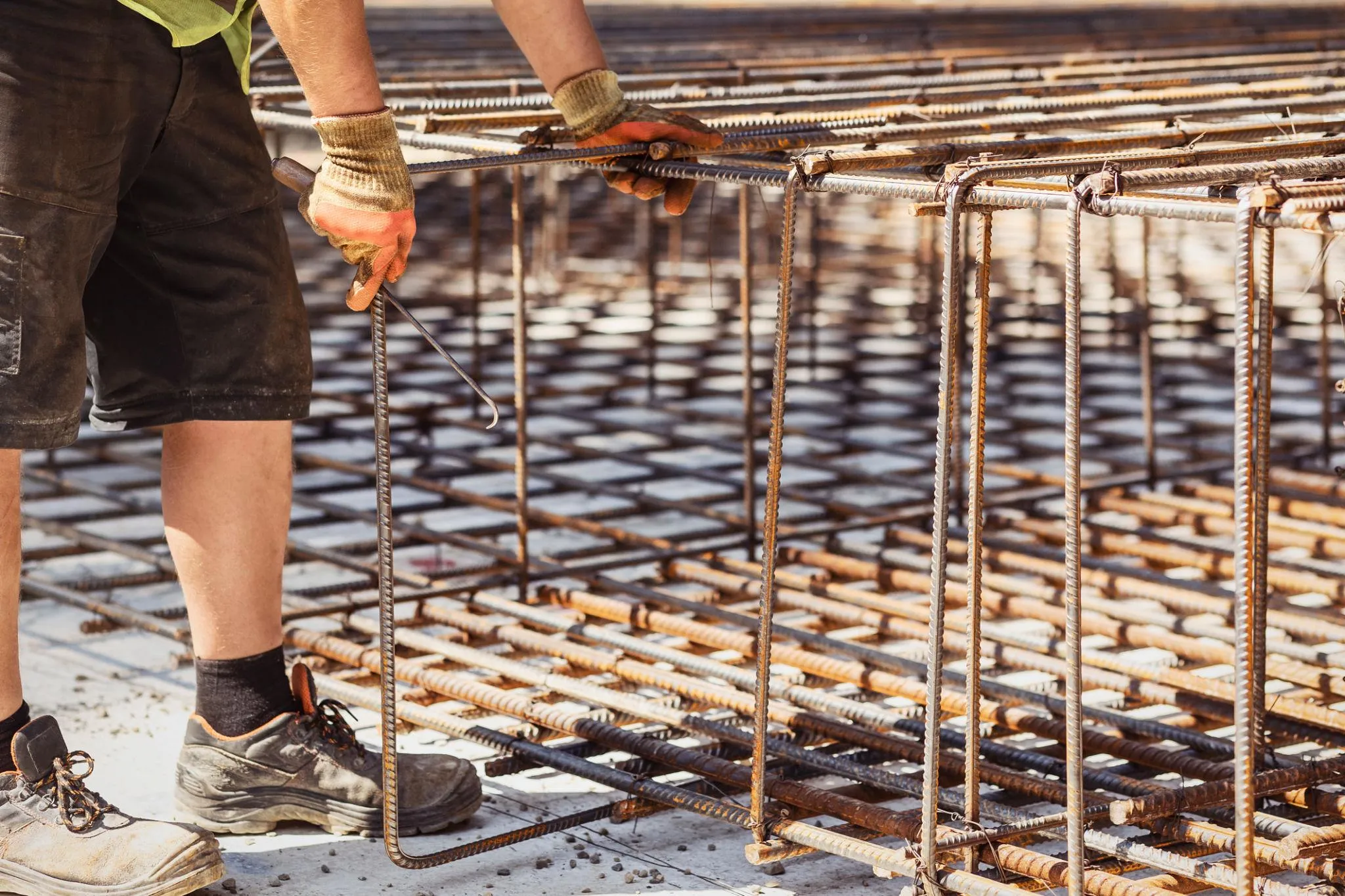
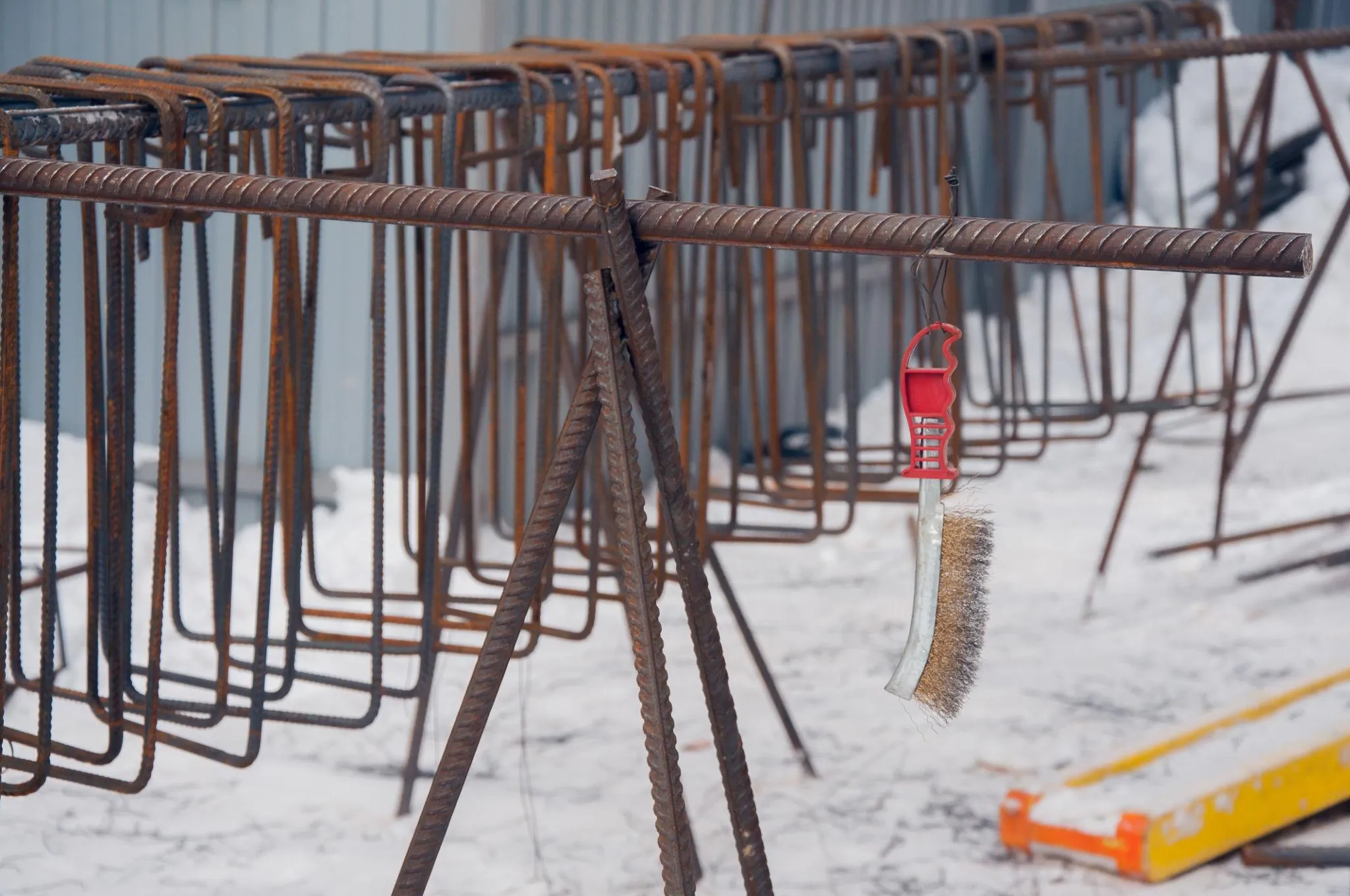
During rebar processing and construction, rust on the surface of rebar is a common issue. Especially during outdoor storage, transportation in humid conditions, or rainy-season construction, rebar is prone to varying degrees of oxidation and corrosion.
Many customers and construction contractors often ask:
If rebar rusts, can it still be used? Will rust affect processing? Will it affect hardness or connection quality?
In fact, whether rust affects rebar performance depends on the severity of the corrosion. Light surface rust usually has little effect, while severe corrosion may affect the performance of the rebar and construction quality.
1. Why Does Rebar Rust?
The main component of rebar is iron, which easily reacts with oxygen and moisture in the air, forming rust.
Common causes of rust on rebar include:
Outdoor storage exposed to sun and rain
Humid construction environments
Moisture during sea transport or warehouse storage
Insufficient surface protection
Salt spray corrosion
Rebar is especially vulnerable to corrosion in humid and coastal areas.
2. Will Rust Affect the Use of Rebar?
2.1 Light Surface Rust Usually Does Not Affect Use
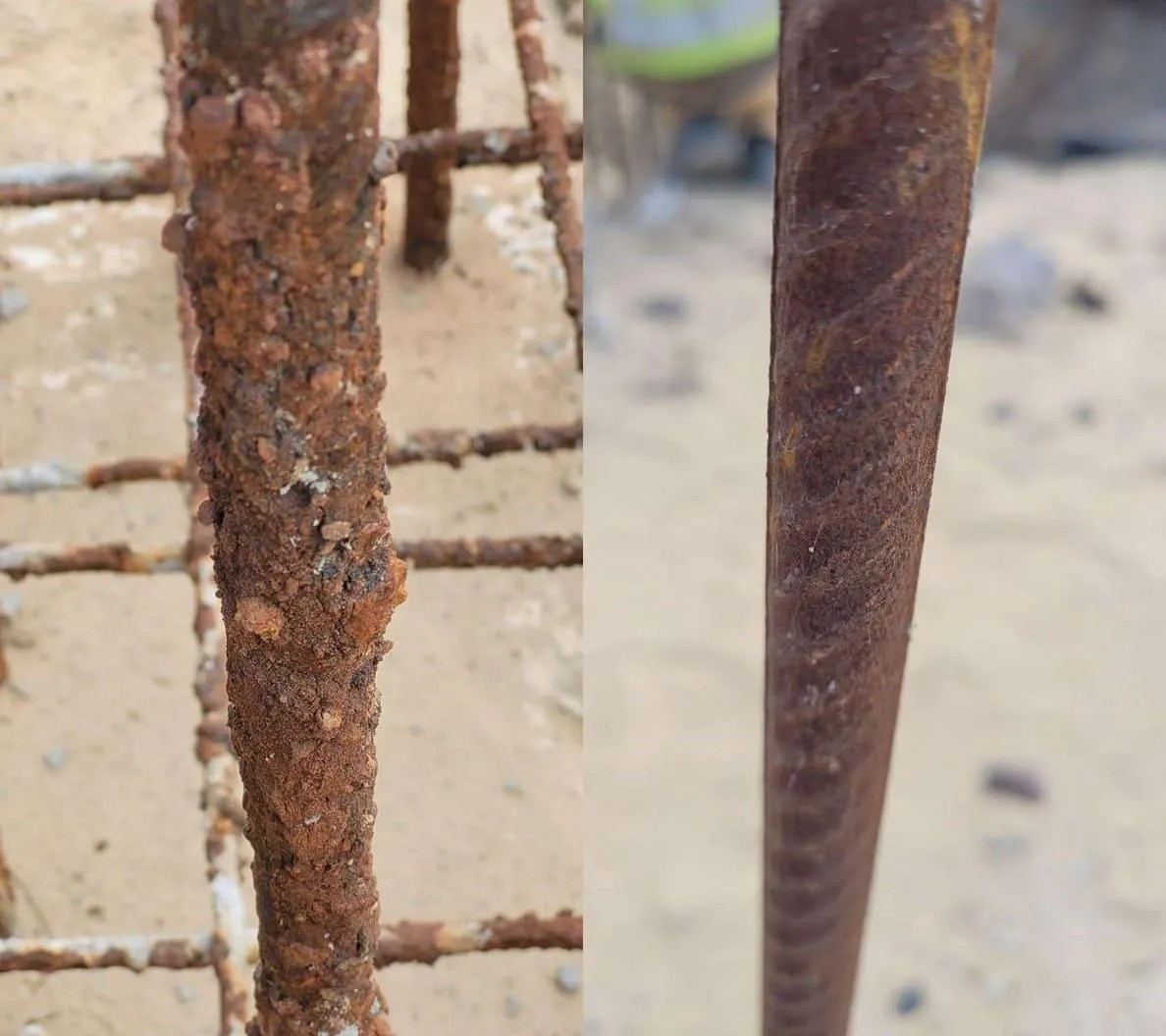
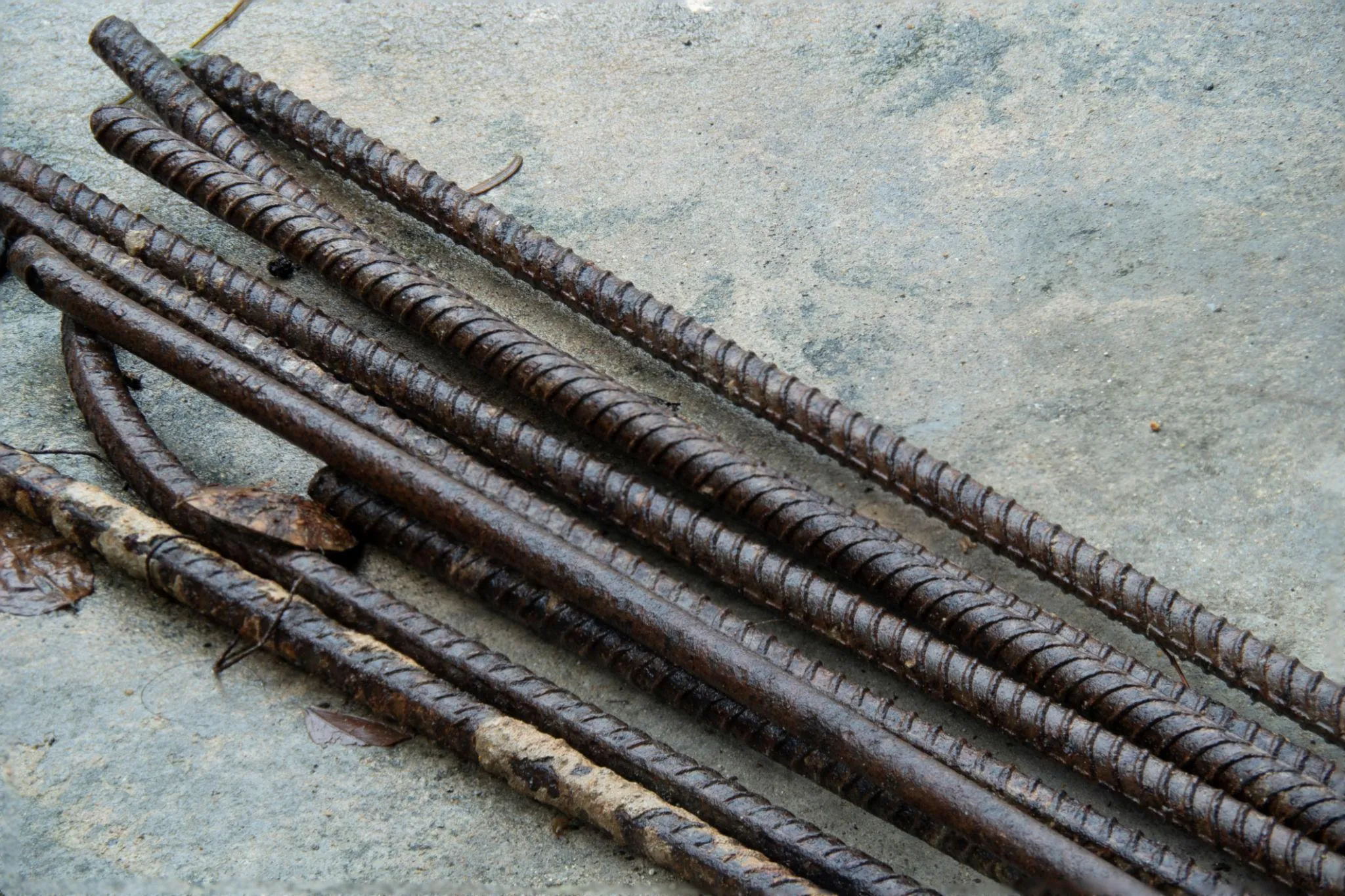
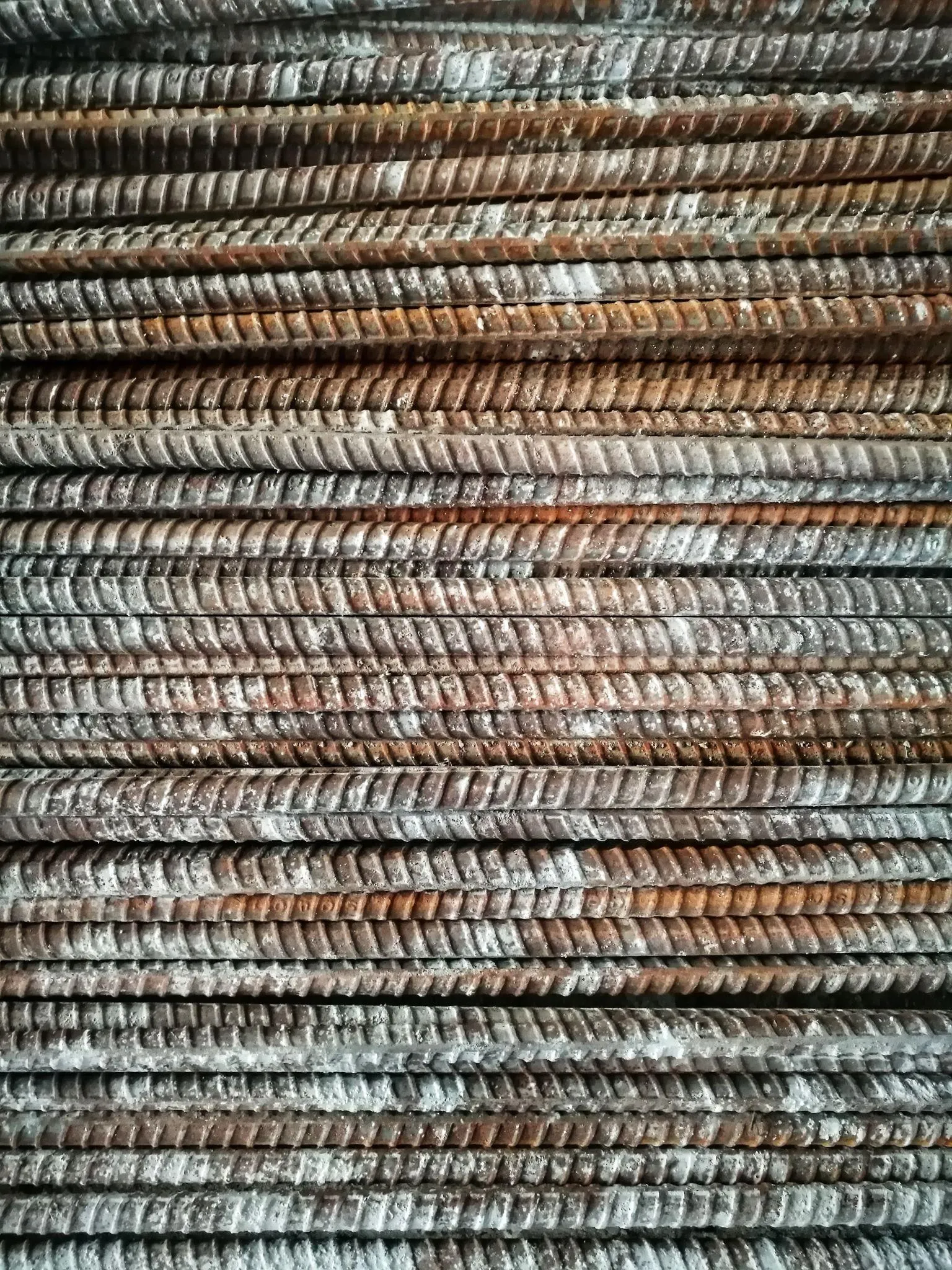
If the rebar surface only has a thin layer of rust, it usually shows the following characteristics:
Yellowish or reddish discoloration on the surface
No flaking rust layer
No reduction in cross-sectional size
This kind of light rust generally does not affect the mechanical properties or normal use of the rebar.
Because:
Light rust does not significantly reduce the cross-sectional area
It does not reduce tensile strength
It may even improve the bond between rebar and concrete
Therefore, in construction projects, lightly rusted rebar is generally acceptable for use.
2.2 Severe Corrosion Will Affect Use
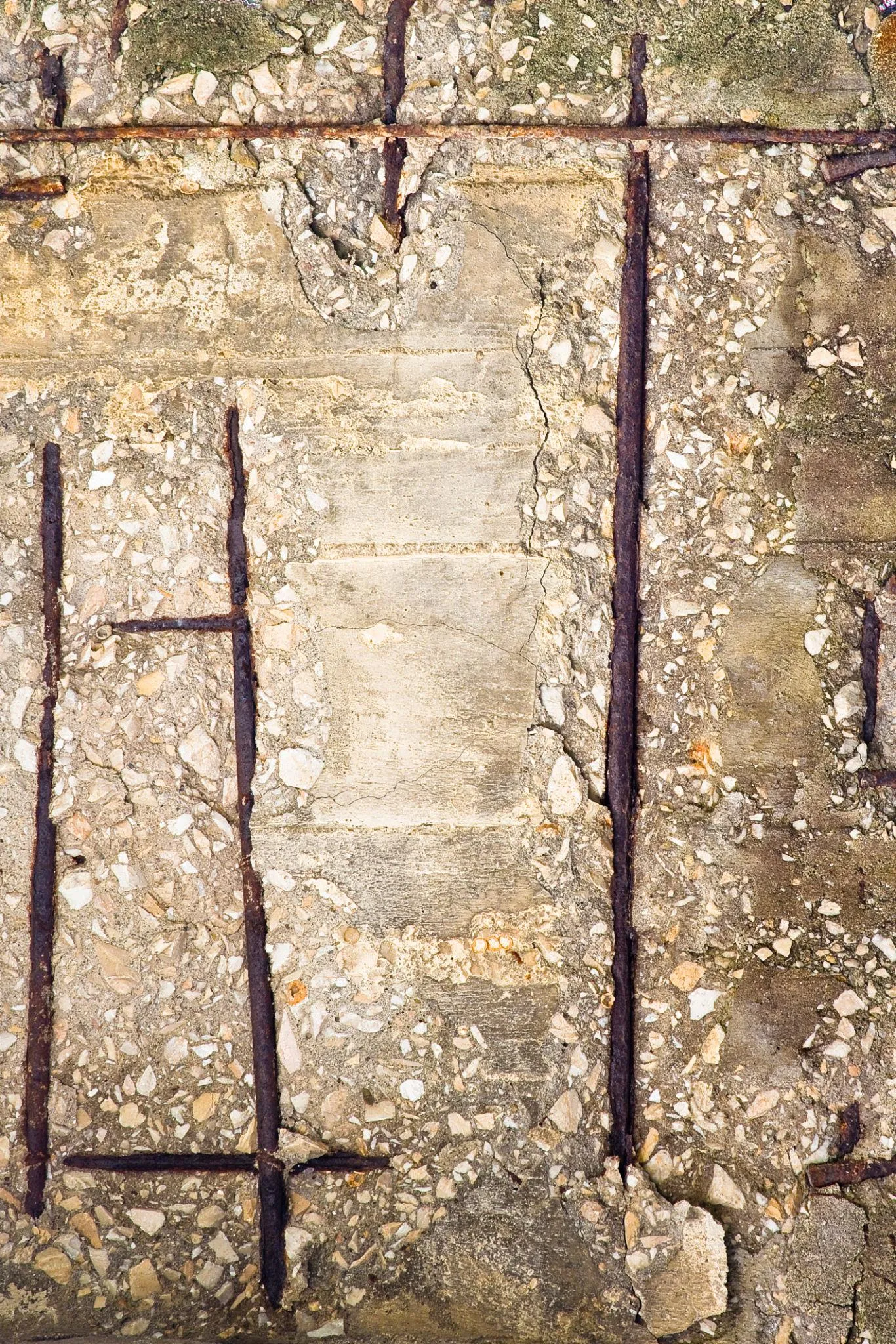
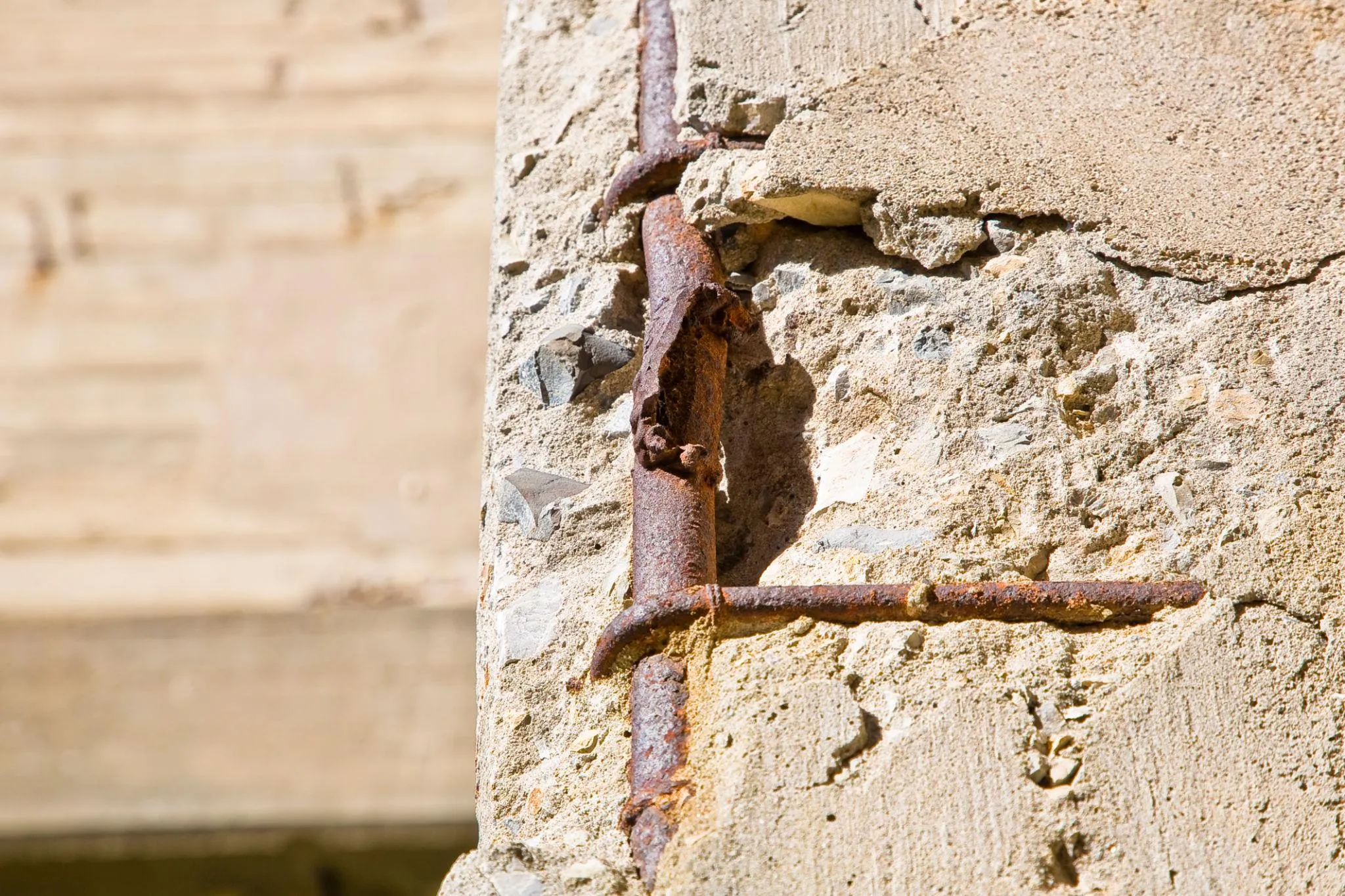
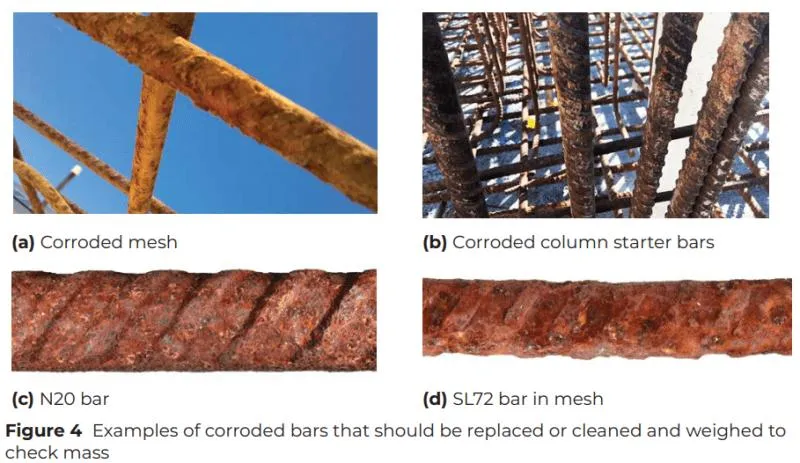
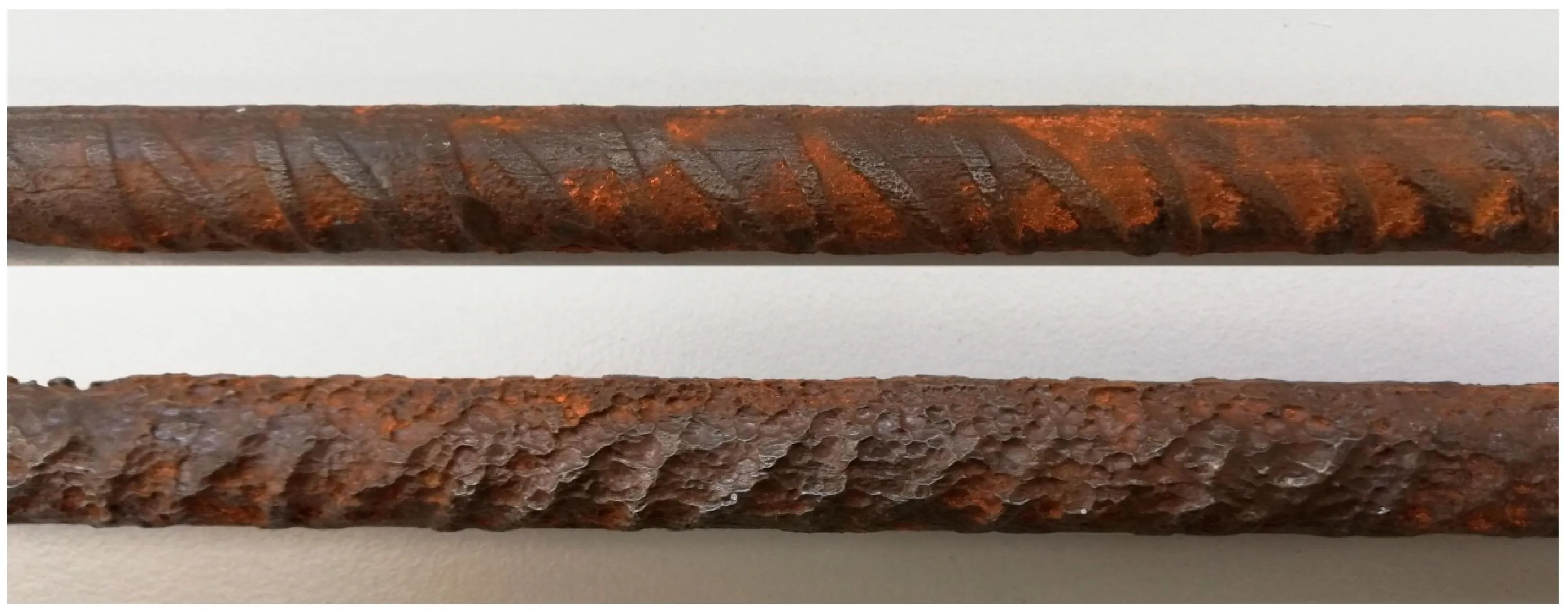
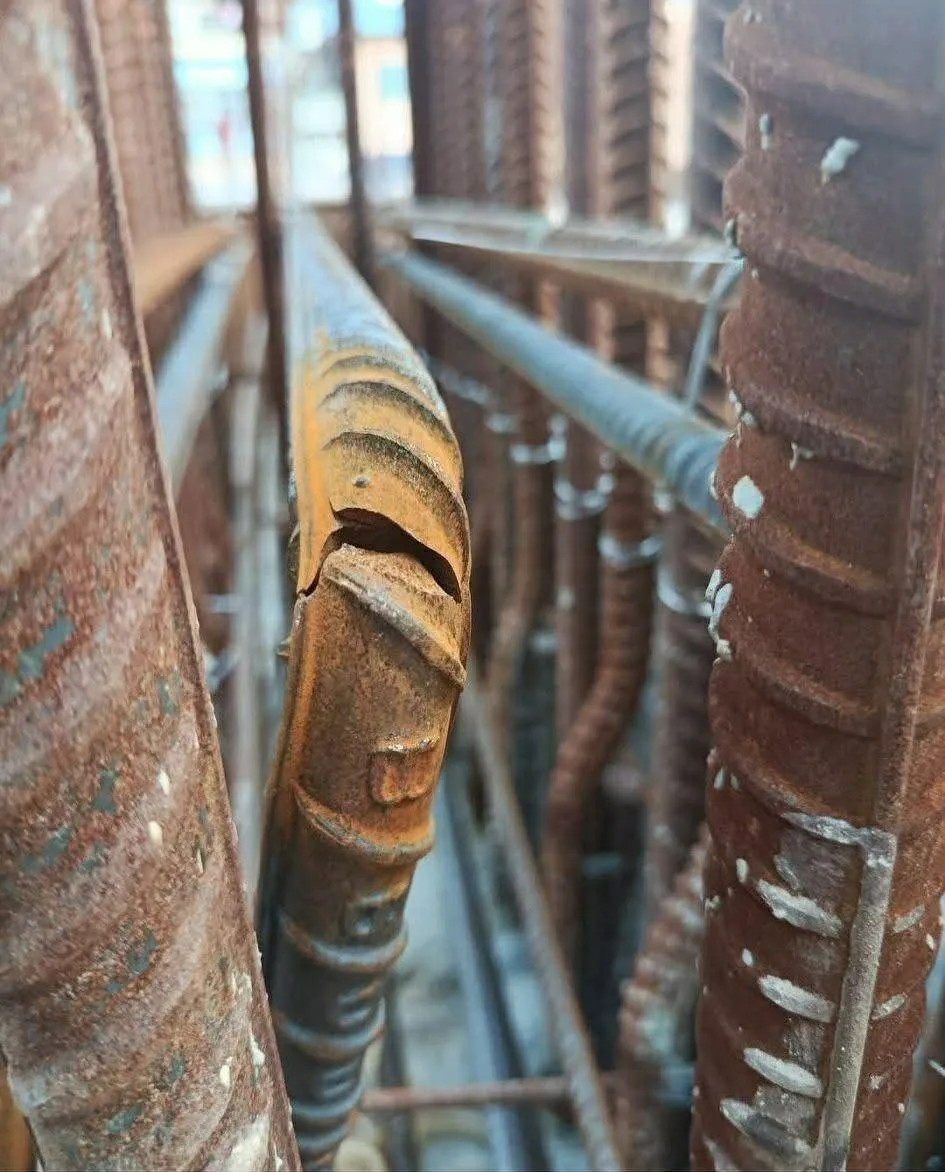
If the rebar has severe corrosion, such as:
Rust layers flaking off
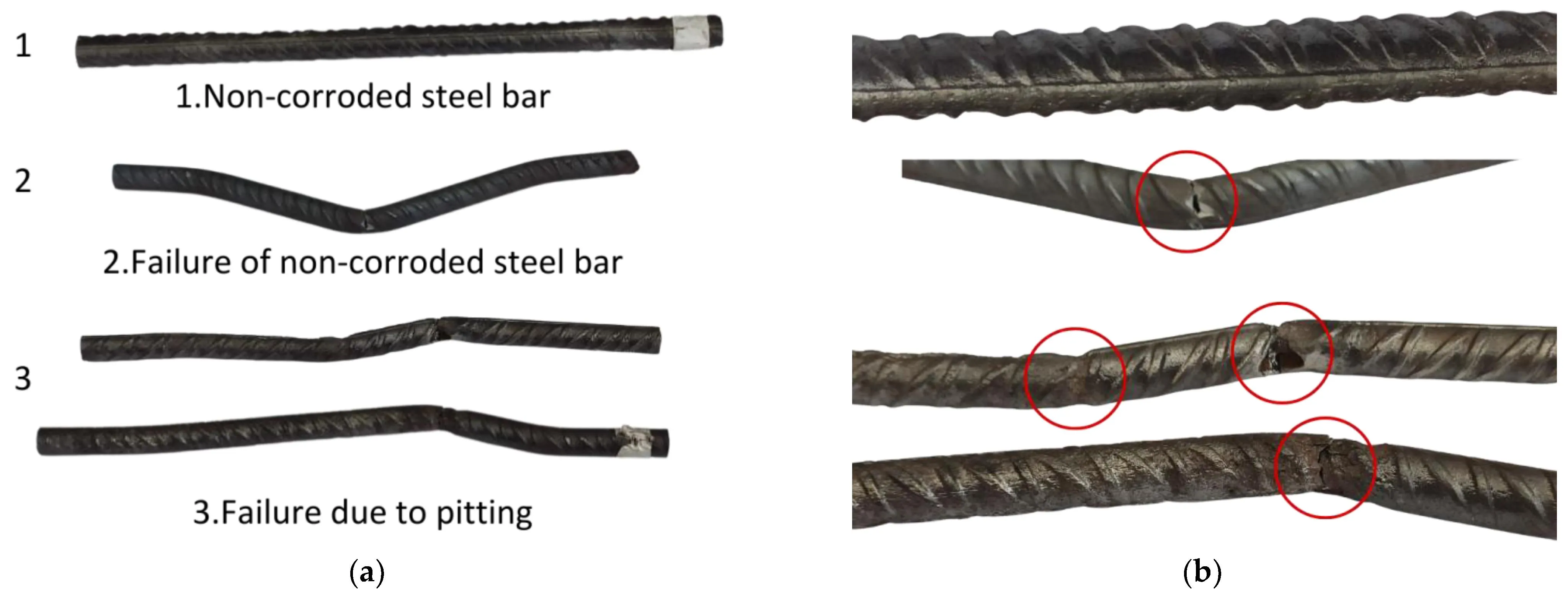
Pitting on the surface
Reduced diameter
Corrosion of ribs
Then it can affect the performance of the rebar by:
Reducing the effective cross-sectional area
Lowering load-bearing capacity
Reducing bond strength with concrete
Compromising structural safety
In such cases, the rebar should not be used directly. Rust removal treatment or replacement is necessary.
3. Will Rust Affect Rebar Processing?
Whether rust affects rebar processing also depends on the degree of corrosion.
3.1 Light Rust Has Minimal Impact on Processing
For lightly rusted rebar:
Straightening is generally unaffected
Bending performance is not significantly affected
Thread rolling can still be carried out
Processing equipment can usually operate normally, but it is recommended to remove surface rust before thread rolling or coupler connection to ensure processing accuracy.
3.2 Severe Rust Can Affect Processing Quality
If corrosion is severe, it may cause:
Incomplete thread rolling
Poor thread formation
Faster tool wear
Surface cracking during bending
Difficulty in coupler connection
Especially during thread rolling, a thick rust layer can interfere with the contact between the rolling dies and the steel surface, affecting thread quality.
4. Will Rust Affect the Hardness of Rebar?
This is a common concern.
In General, Rust Does Not Change Rebar Hardness
Rust on rebar is mainly a surface oxidation reaction. It affects the outer surface but does not change the internal structure of the steel.
Therefore:
Light rust does not change hardness
It does not reduce tensile strength
It does not alter the material properties of the rebar
In other words, ordinary surface rust does not make the rebar softer or harder.
Severe Corrosion Reduces Overall Mechanical Performance
Although rust does not directly affect hardness, severe corrosion can:
Reduce the cross-sectional area
Create surface defects
Lower load-bearing capacity
So, strictly speaking:
Rust may not affect hardness directly, but severe corrosion will reduce the overall mechanical performance of the rebar.
5. How Should Rusted Rebar Be Handled?
Different levels of corrosion require different treatments:
Light Surface Rust
Can usually be used directly or with simple treatment:
Remove rust with a wire brush
Clean with a cloth
Clean the surface before processing
Moderate Rust
Should be treated before use:
Mechanical rust removal
Sandblasting
Check dimensions before processing
Severe Rust
Should not be used:
Obvious cross-section loss
Severe pitting
Strength reduction
In such cases, the rebar should be replaced to ensure construction quality.
6. Conclusion
Rust on rebar does not always affect its usability; the key factor is the severity of the corrosion:
Light surface rust: generally does not affect use, processing, or hardness
Severe corrosion: can affect processing quality and structural performance
In simple terms:
Light rust is acceptable, heavy rust requires treatment, and severely corroded rebar should be replaced.
During rebar processing and connection work, it is recommended to improve storage protection, avoid long-term exposure to humid environments, and inspect the surface before processing to ensure connection quality and structural safety.