

Burrs Appearing on a Rebar Thread Rolling Machine? Don’t Panic! 4 Major Causes + Practical Solutions — Even Beginners Can Fix It.
2026-03-06Visits:

Burrs Appearing on a Rebar Thread Rolling Machine? Don’t Panic! 4 Major Causes + Practical Solutions — Even Beginners Can Fix It.

Burrs Appearing on a Rebar Thread Rolling Machine? Don’t Panic! 4 Major Causes + Practical Solutions — Even Beginners Can Fix It.第1张


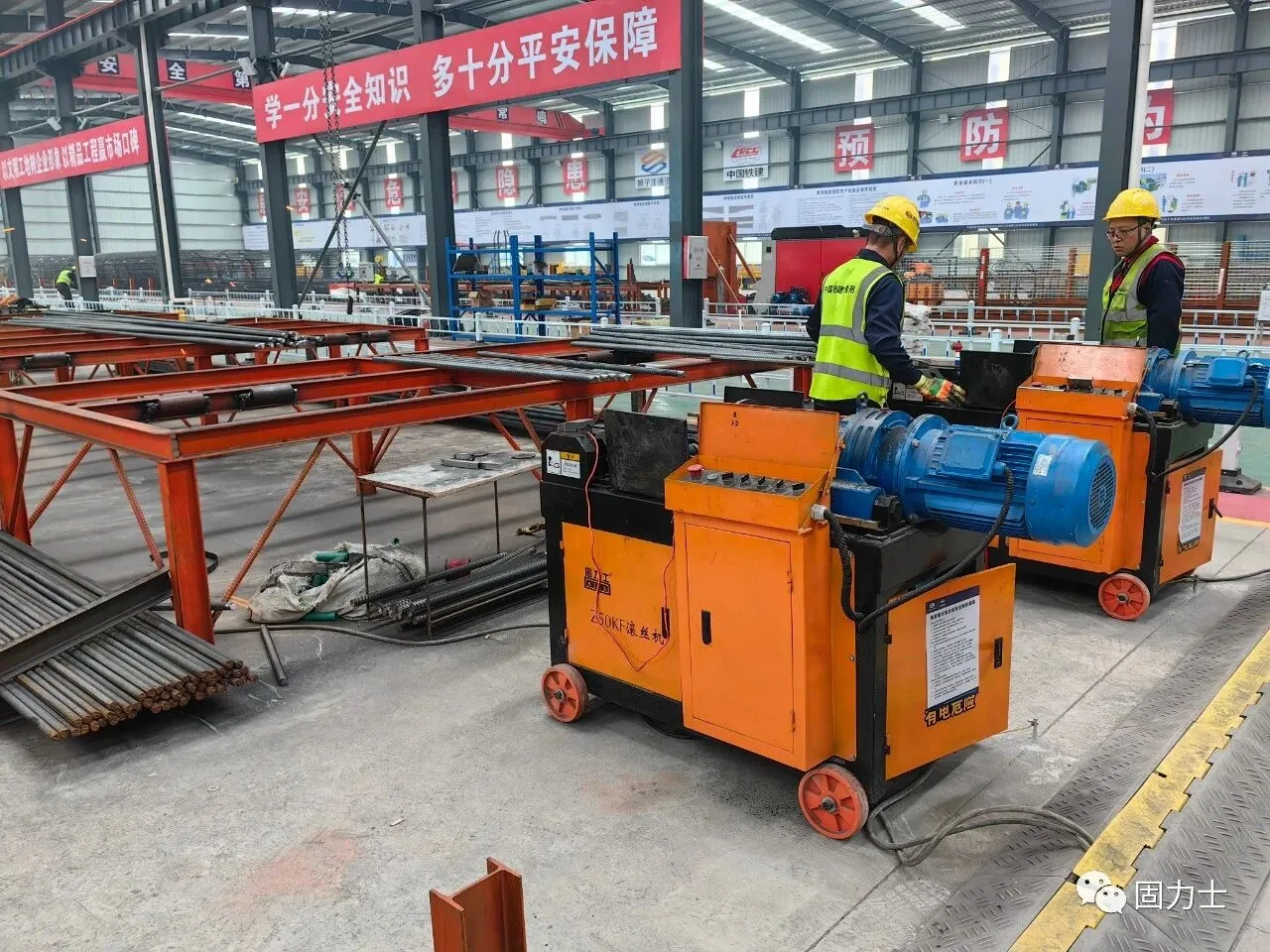
At rebar processing sites, rough threads and burrs are not minor issues. They can cause couplers to jam during installation, lead to uneven load transfer in the connection, and even cut workers’ hands.

In fact, problems like these don’t require “experienced workers relying on intuition” to fix. As long as you identify the root cause, the issue can be solved quickly. After reading this guide, you’ll be able to handle it with confidence.


Be Alert First!

Three Major Hazards of Burrs and Rough Threads

Burrs Appearing on a Rebar Thread Rolling Machine? Don’t Panic! 4 Major Causes + Practical Solutions — Even Beginners Can Fix It.第2张


1. Affects connection quality
Burrs prevent the rebar and coupler from fitting tightly together. Under load, the connection may loosen, creating potential structural safety risks.

2. Slows down construction efficiency
Rough threads increase resistance when tightening couplers. A connection that normally takes 10 seconds may require 30 seconds or more with repeated adjustments.

3. Increases safety risks
Sharp burrs can easily tear gloves or cut skin. During high-volume processing, workers must operate with extra caution.


Find the Root Cause!

Four Common Reasons (All Easy to Check)
Burrs Appearing on a Rebar Thread Rolling Machine? Don’t Panic! 4 Major Causes + Practical Solutions — Even Beginners Can Fix It.第3张


1. Cutting Tools Not Performing Well – The Most Overlooked Factor

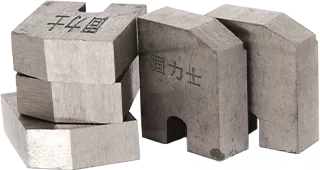
  • Worn rib-stripping blades (edge damage exceeding 0.2 mm) or improper installation can cause uneven rib removal, which leads to burrs during threading.

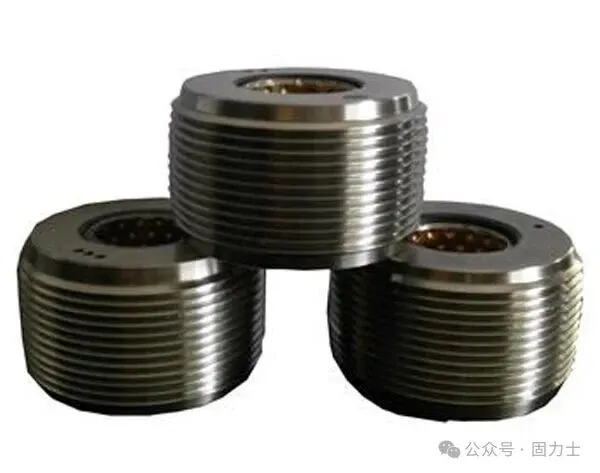
  • Worn thread rolling dies (edge damage exceeding 0.2 mm) or incorrect installation can also produce rough threads and burrs.


2. Improper Operation – Small Details Matter

  • Misaligned clamping of rebar (deviation from the spindle axis greater than 1 mm) causes uneven force during rolling, leading to burrs on one side.

  • Metal chips not cleaned properly: leftover chips from rib stripping or threading can get trapped in the dies or clamps and scratch the thread surface during the next operation.


3. Poor Raw Materials – Bad Material Means Poor Results

  • Rebar with heavy scale or rust (thickness exceeding 0.1 mm) may not be completely removed during rib stripping, leaving residue on the threads after rolling.

  • Excessively hard rebar can damage the thread rolling dies, resulting in burrs on the finished threads.


4. Insufficient Lubrication – No Oil Means Dry Friction

  • Incorrect lubricant type: under high-temperature rolling, the oil film may break down, increasing metal friction and producing burrs.

  • Insufficient oil supply: inadequate lubrication at the dies or rib-stripping blades causes dry grinding and rough thread surfaces.


Quick Solutions

Practical Fixes You Can Apply Immediately
Burrs Appearing on a Rebar Thread Rolling Machine? Don’t Panic! 4 Major Causes + Practical Solutions — Even Beginners Can Fix It.第4张


1. Tool Issues: Replace + Recalibrate

  • Replace rib-stripping blades immediately if the cutting edge is chipped or excessively worn. Use a square to ensure the blade is perpendicular to the rebar axis during installation.

  • Replace worn thread rolling dies (select models matching the rebar specification). Before installation, clean metal chips from the die grooves with alcohol and refill the machine with sufficient emulsified oil.


2. Operational Issues: Align + Clean

  • Align the rebar properly: after placing it in the clamp, gently shake the end. If displacement exceeds 0.5 mm, realign it before starting the machine.

  • Remove metal chips regularly: stop the machine and clean the rolling dies and stripping blades with a brush after processing every 10 rebars to prevent accumulation.


3. Raw Material Issues: Pre-treat + Screen

  • Rust removal: remove rust using a wire brush, or soak the rebar in 15% hydrochloric acid for 5 minutes, then dry it.

  • Material selection: check the hardness of incoming rebars. Avoid using materials exceeding 25 HRC, and prioritize rebars with smooth surfaces and minimal scale.


4. Lubrication Issues: Control Oil Supply + Replace Regularly

  • Use dedicated emulsified oil for thread rolling machines. When the oil changes from milky white to black after circulation, it should be replaced. Clean impurities from the oil tank before refilling.

  • When the machine starts, the oil outlet pipe should spray emulsified oil toward the machine head, lubricating the blades and dies while flushing away debris. The oil should be mixed with water (for example, 150 ml oil with 200 ml water for the initial mixture).


Tips to Avoid Problems

Two Quick Daily Checks

  • Before starting the machine: check the rib-stripping blades and rolling dies. If they feel dull or have burrs, replace them. Add a few drops of oil to ensure proper lubrication.

  • After the first piece: inspect the thread surface of one processed rebar. If it feels smooth to the touch and shows no visible scratches, you can proceed with batch production.


Let’s Talk

Have you ever encountered burr problems during rebar threading?
Did you solve it by replacing the tools or adjusting machine parameters?

Share your experience in the comments so others can avoid the same problems!


Leave Your Message

Leave a message

We use cookie to improve your online experience. By continuing to browse this website, you agree to our use of cookie.

Cookies

Please read our Terms and Conditions and this Policy before accessing or using our Services. If you cannot agree with this Policy or the Terms and Conditions, please do not access or use our Services. If you are located in a jurisdiction outside the European Economic Area, by using our Services, you accept the Terms and Conditions and accept our privacy practices described in this Policy.
We may modify this Policy at any time, without prior notice, and changes may apply to any Personal Information we already hold about you, as well as any new Personal Information collected after the Policy is modified. If we make changes, we will notify you by revising the date at the top of this Policy. We will provide you with advanced notice if we make any material changes to how we collect, use or disclose your Personal Information that impact your rights under this Policy. If you are located in a jurisdiction other than the European Economic Area, the United Kingdom or Switzerland (collectively “European Countries”), your continued access or use of our Services after receiving the notice of changes, constitutes your acknowledgement that you accept the updated Policy. In addition, we may provide you with real time disclosures or additional information about the Personal Information handling practices of specific parts of our Services. Such notices may supplement this Policy or provide you with additional choices about how we process your Personal Information.


Cookies

Cookies are small text files stored on your device when you access most Websites on the internet or open certain emails. Among other things, Cookies allow a Website to recognize your device and remember if you've been to the Website before. Examples of information collected by Cookies include your browser type and the address of the Website from which you arrived at our Website as well as IP address and clickstream behavior (that is the pages you view and the links you click).We use the term cookie to refer to Cookies and technologies that perform a similar function to Cookies (e.g., tags, pixels, web beacons, etc.). Cookies can be read by the originating Website on each subsequent visit and by any other Website that recognizes the cookie. The Website uses Cookies in order to make the Website easier to use, to support a better user experience, including the provision of information and functionality to you, as well as to provide us with information about how the Website is used so that we can make sure it is as up to date, relevant, and error free as we can. Cookies on the Website We use Cookies to personalize your experience when you visit the Site, uniquely identify your computer for security purposes, and enable us and our third-party service providers to serve ads on our behalf across the internet.

We classify Cookies in the following categories:
 ●  Strictly Necessary Cookies
 ●  Performance Cookies
 ●  Functional Cookies
 ●  Targeting Cookies


Cookie List
A cookie is a small piece of data (text file) that a website – when visited by a user – asks your browser to store on your device in order to remember information about you, such as your language preference or login information. Those cookies are set by us and called first-party cookies. We also use third-party cookies – which are cookies from a domain different than the domain of the website you are visiting – for our advertising and marketing efforts. More specifically, we use cookies and other tracking technologies for the following purposes:

Strictly Necessary Cookies
These cookies are necessary for the website to function and cannot be switched off in our systems. They are usually only set in response to actions made by you which amount to a request for services, such as setting your privacy preferences, logging in or filling in forms. You can set your browser to block or alert you about these cookies, but some parts of the site will not then work. These cookies do not store any personally identifiable information.

Functional Cookies
These cookies enable the website to provide enhanced functionality and personalisation. They may be set by us or by third party providers whose services we have added to our pages. If you do not allow these cookies then some or all of these services may not function properly.

Performance Cookies
These cookies allow us to count visits and traffic sources so we can measure and improve the performance of our site. They help us to know which pages are the most and least popular and see how visitors move around the site. All information these cookies collect is aggregated and therefore anonymous. If you do not allow these cookies we will not know when you have visited our site, and will not be able to monitor its performance.

Targeting Cookies
These cookies may be set through our site by our advertising partners. They may be used by those companies to build a profile of your interests and show you relevant adverts on other sites. They do not store directly personal information, but are based on uniquely identifying your browser and internet device. If you do not allow these cookies, you will experience less targeted advertising.

How To Turn Off Cookies
You can choose to restrict or block Cookies through your browser settings at any time. Please note that certain Cookies may be set as soon as you visit the Website, but you can remove them using your browser settings. However, please be aware that restricting or blocking Cookies set on the Website may impact the functionality or performance of the Website or prevent you from using certain services provided through the Website. It will also affect our ability to update the Website to cater for user preferences and improve performance. Cookies within Mobile Applications

We only use Strictly Necessary Cookies on our mobile applications. These Cookies are critical to the functionality of our applications, so if you block or delete these Cookies you may not be able to use the application. These Cookies are not shared with any other application on your mobile device. We never use the Cookies from the mobile application to store personal information about you.

If you have questions or concerns regarding any information in this Privacy Policy, please contact us by email at . You can also contact us via our customer service at our Site.